
The world of real estate investing is evolving rapidly. Tokenized real estate blockchain investment is emerging as one of the most transformative financial innovations of this decade. By converting physical property ownership into digital tokens on a distributed ledger, investors can now access real estate markets with far less capital. Furthermore, this approach introduces unprecedented levels of transparency, efficiency, and liquidity that traditional property markets simply cannot match.
How Tokenized Real Estate Blockchain Investment Works
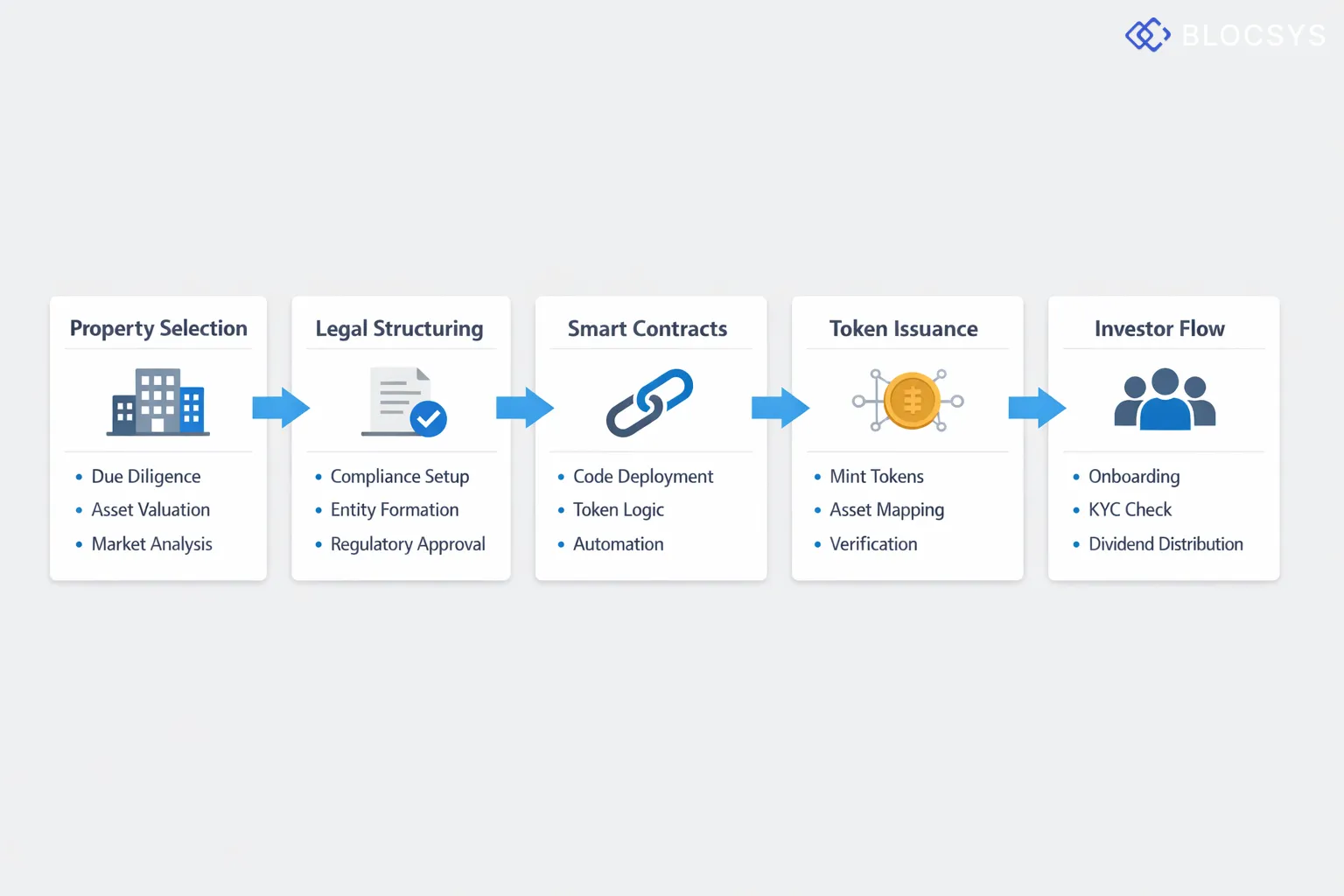
Tokenization converts ownership rights in a property into digital tokens stored on a blockchain. These tokens are programmable, transferable, and instantly verifiable by anyone on the network. Consequently, buyers and sellers can transact without lengthy paperwork or slow intermediaries holding up the process.
Each token represents a fractional share of a real estate asset. Therefore, an investor can purchase $500 worth of tokens in a $10 million commercial building. This model democratizes property access in ways traditional real estate investment never could.
Smart Contracts and Token Issuance
Smart contracts power the entire tokenization lifecycle. These self-executing programs automatically enforce ownership rules, income distribution terms, and transfer conditions. Moreover, they eliminate the need for lawyers and escrow agents in many standard transactions, cutting costs dramatically.
Once a property is tokenized, the issuer deploys a smart contract on a network such as Ethereum or Polygon. The contract then issues tokens proportionally to each investor’s contribution. Additionally, it handles rent distributions and dividend payouts automatically, reducing administrative overhead significantly.
Key Benefits of Tokenized Real Estate Blockchain Investment
Tokenized real estate blockchain investment offers several compelling advantages over conventional property investment. First, it dramatically lowers capital requirements for market entry. Second, it provides digital assets far easier to trade than physical property. Moreover, blockchain transparency means every transaction is permanently recorded and independently auditable.
Lower Barriers to Entry
Traditionally, buying real estate demands substantial upfront capital. However, tokenization changes this equation entirely. Investors can now participate in premium real estate markets for a fraction of the usual cost. Platforms like RealT already offer tokenized U.S. rental properties with low minimum investments, making global real estate accessible to everyday investors.
This accessibility opens the door for retail investors worldwide. Furthermore, it allows portfolio diversification across multiple properties and geographies without massive capital outlay. Therefore, both novice and experienced investors benefit significantly from this innovation.
Enhanced Liquidity
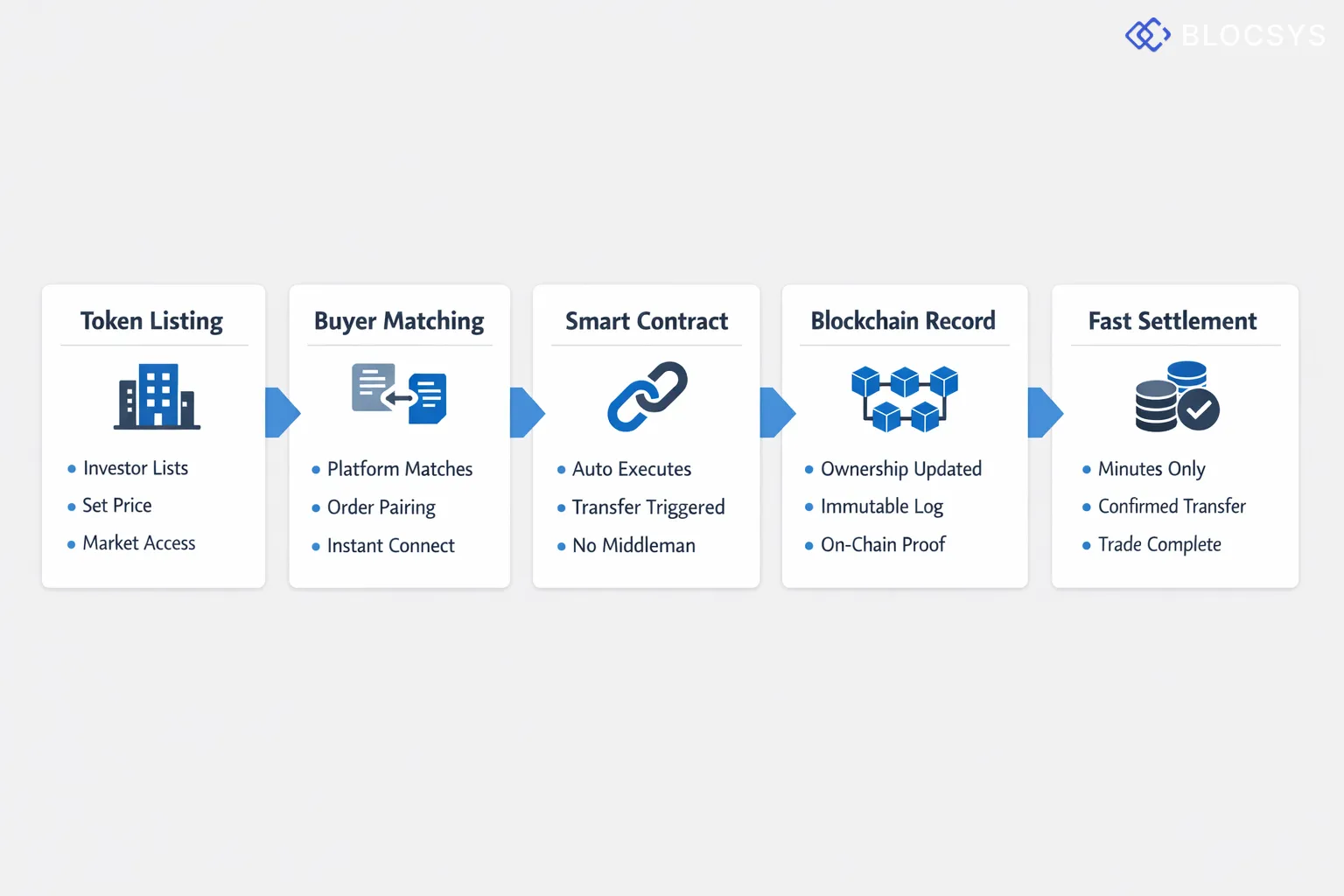
Real estate has long suffered from a serious liquidity problem. Selling a traditional property typically takes months of paperwork and negotiations. However, digital tokens can trade on secondary markets within seconds. This transformation turns an illiquid asset class into something genuinely flexible and responsive to investor needs.
Blockchain infrastructure supports 24/7 trading without geographic restrictions. Consequently, investors gain the ability to exit positions quickly when circumstances demand it. According to research published by PwC Financial Services, liquidity improvement ranks among the most significant drivers of institutional interest in digital asset markets.
Risks and Challenges Every Investor Should Know
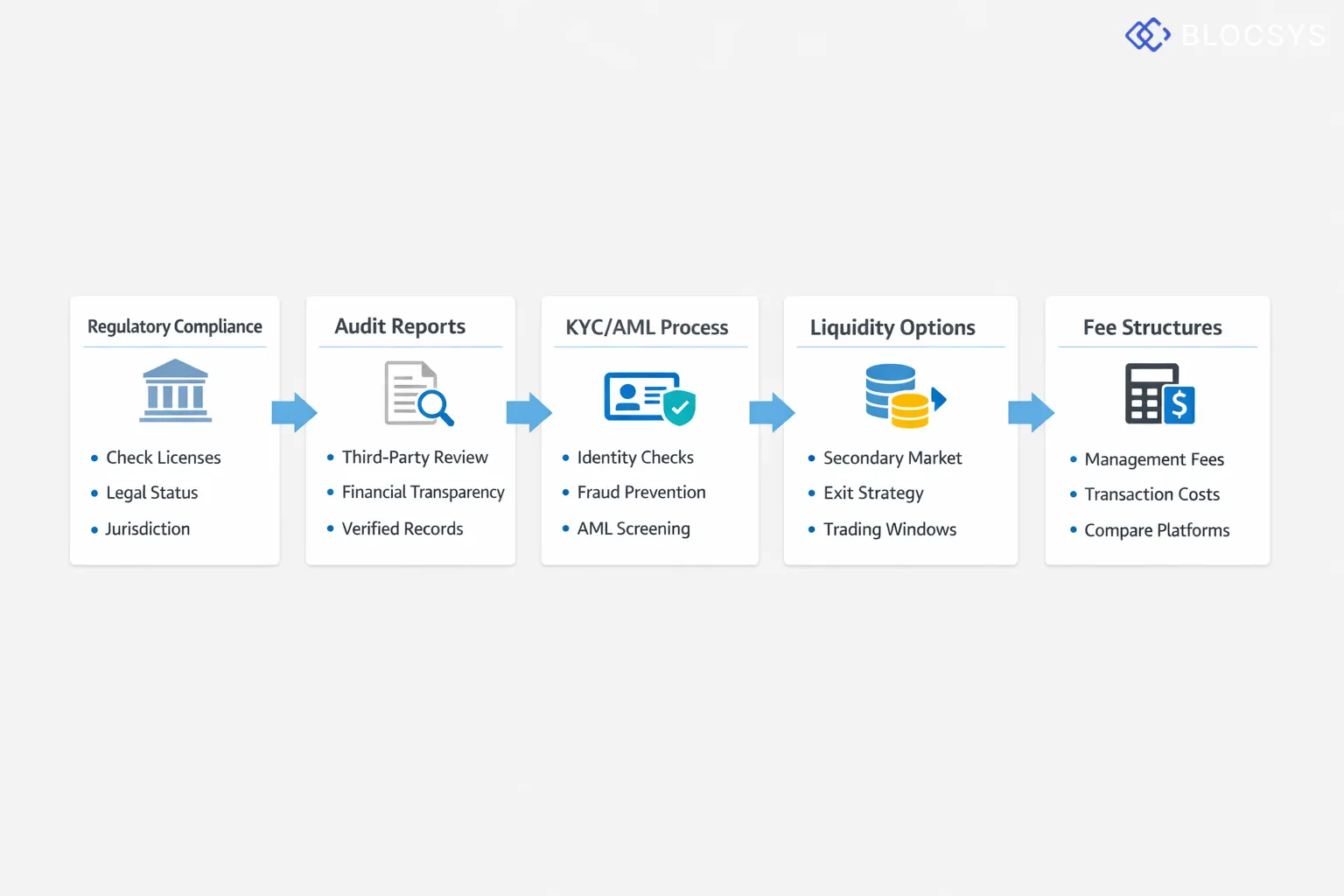
Despite its promise, this investment model carries genuine risks. Investors must approach the space with careful due diligence and a long-term perspective. Moreover, the regulatory environment remains unsettled across many jurisdictions worldwide.
Regulatory Uncertainty
Governments are still defining how to classify and regulate tokenized real estate assets. Some countries treat tokens as securities, subjecting them to strict compliance requirements. Therefore, investors must verify the legal standing of any platform before committing capital to it.
Additionally, cross-border transactions can trigger complex tax obligations that vary by country. Working with a qualified financial advisor before investing is always a wise decision. Our in-depth guide on real estate investment strategies covers these regulatory considerations in far greater detail.
Technology and Platform Risk
Blockchain systems are not immune to bugs or security breaches. Smart contract vulnerabilities can expose investor funds to significant financial loss. Consequently, platform reputation and independent auditing matter enormously when choosing where to invest your capital.
Investors should prioritize platforms that provide verified third-party smart contract audits. Furthermore, diversifying across multiple platforms reduces exposure to any single point of failure and strengthens overall portfolio resilience.
How to Start Investing in Tokenized Property
Getting started requires just a few clear steps. First, investors need a compatible crypto wallet. Second, they must complete identity verification under standard KYC and AML requirements. Moreover, reviewing each property’s full legal documentation before committing any funds is absolutely essential.
Reputable platforms such as Securitize provide end-to-end tokenization infrastructure with built-in regulatory compliance. Additionally, our beginner-friendly overview on blockchain investment basics can help newcomers build a solid foundation before committing real funds to the market.
Tokenized real estate blockchain investment represents a genuine paradigm shift in property-based wealth building. Therefore, staying informed and starting with small, diversified positions is a practical and prudent strategy. As the technology matures, moreover, the opportunities for proactive, well-prepared investors will only continue to grow.
