
The digital identity revolution is well underway. Self-sovereign identity SSI blockchain investment has rapidly become one of the most compelling opportunities in the decentralized technology sector. Moreover, as data breaches escalate and privacy regulations tighten globally, investors are seeking solutions that put users in control. Therefore, understanding the SSI landscape is essential for anyone looking to capitalize on the next wave of blockchain-driven innovation.
What Is Self-Sovereign Identity?
Self-sovereign identity (SSI) gives individuals complete control over their personal data. Instead of relying on centralized authorities, users manage their own digital credentials directly on a blockchain. Consequently, this removes the need for intermediaries like corporations or governments to verify identities. Furthermore, SSI systems use cryptographic proofs to guarantee data integrity and privacy at every step.
Core Principles of SSI
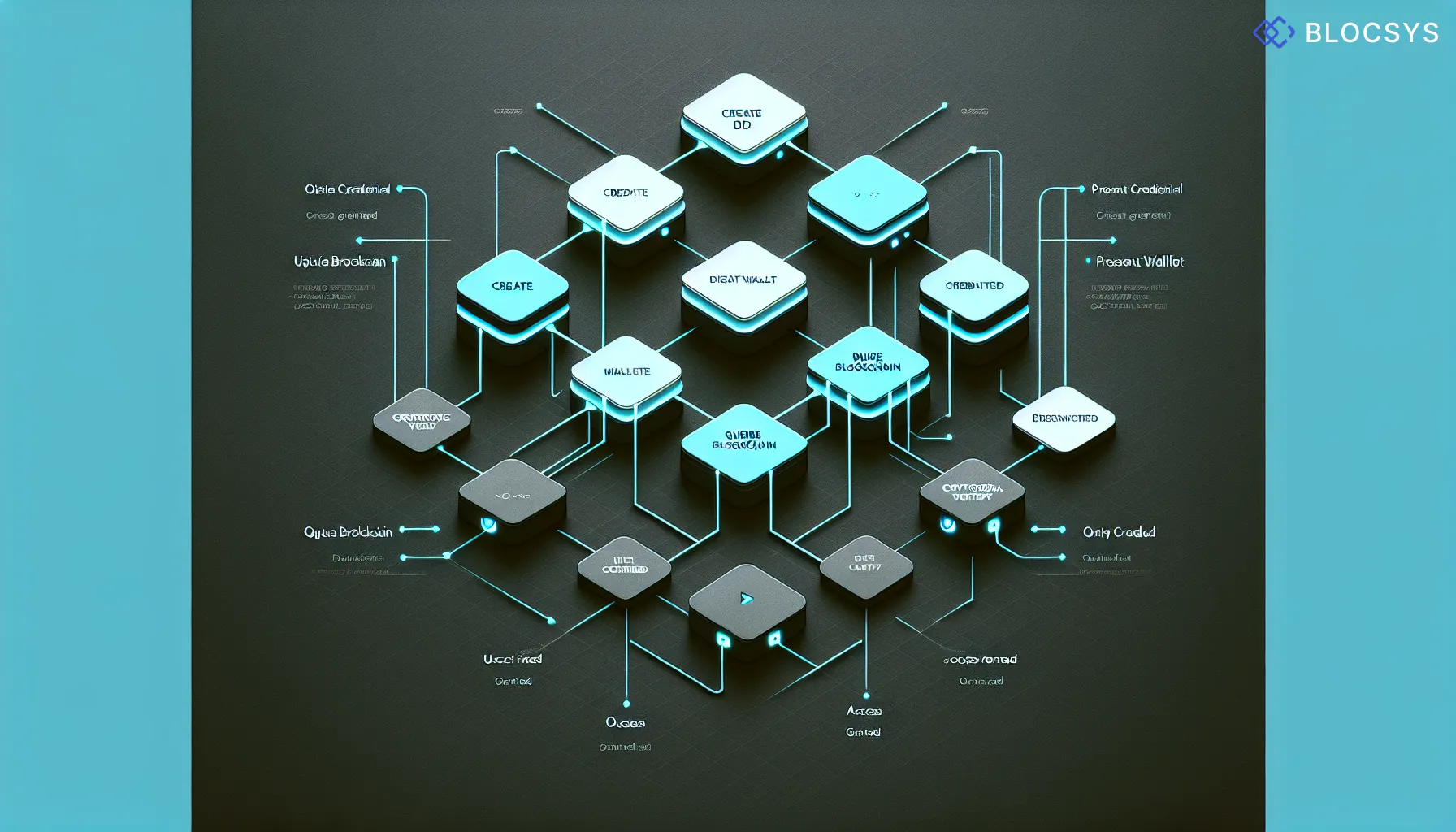
SSI operates on three foundational pillars: decentralized identifiers (DIDs), verifiable credentials (VCs), and blockchain infrastructure. Additionally, these elements work together to create a trustless, user-controlled identity ecosystem. The World Wide Web Consortium has established official DID standards that guide SSI development worldwide. Moreover, these open standards actively promote interoperability across different platforms and networks.
- Decentralized Identifiers (DIDs): Unique, user-controlled identifiers anchored on a blockchain ledger.
- Verifiable Credentials (VCs): Tamper-proof digital certificates issued by trusted entities.
- Blockchain Infrastructure: The immutable ledger that provides the trust foundation for the entire system.
Why Self-Sovereign Identity SSI Blockchain Investment Is Growing
Investors are taking serious notice of SSI for compelling reasons. The global digital identity market is projected to exceed $70 billion by 2028, according to MarketsandMarkets industry research. Furthermore, regulatory frameworks like GDPR in Europe are pushing businesses toward privacy-preserving identity solutions. Consequently, SSI platforms are securing significant traction among enterprise clients across multiple industries.
Market Drivers and Adoption Trends
Several powerful forces are accelerating SSI adoption globally. First, rising identity fraud costs enterprises billions of dollars every year. Additionally, the growth of Web3 applications demands decentralized authentication methods that legacy systems cannot provide. Moreover, governments across Europe, Canada, and Australia are actively piloting SSI-based national identity programs. Therefore, institutional interest in SSI blockchain projects is reaching unprecedented levels.
Enterprise adoption is another strong growth driver. Companies like Microsoft, IBM, and various blockchain-native startups are actively building SSI infrastructure. Furthermore, the Decentralized Identity Foundation (DIF) coordinates industry-wide SSI standards development. Consequently, a growing ecosystem of interoperable tools and protocols gives investors a rich landscape to evaluate.

Investment Opportunities in the SSI Ecosystem
The SSI investment landscape offers several distinct entry points for investors. However, understanding which layer of the technology stack presents the best risk-reward profile is critical. Additionally, opportunities span from early-stage token investments to equity stakes in SSI infrastructure companies building enterprise-grade solutions.
Key Players and Projects to Watch
Several blockchain projects are leading the SSI charge today. Sovrin Network, Polygon ID, and Cheqd are among the most active and well-funded platforms. Furthermore, Hyperledger Indy and Aries provide enterprise-grade SSI frameworks backed by strong institutional support. Moreover, token-based SSI projects offer liquid investment options for retail investors seeking direct exposure. Therefore, diversifying a portfolio across multiple SSI layers is a prudent and strategic approach.
Venture capital funds focused on Web3 privacy technologies are also increasingly allocating to SSI projects. Additionally, some decentralized finance protocols now support tokenized identity assets as collateral. For a deeper look at complementary opportunities, explore our comprehensive blockchain investment strategies guide.
Risks and Considerations for Investors
SSI investments carry notable risks despite their immense promise. Regulatory uncertainty remains a primary concern, as governments worldwide are still defining how digital identity frameworks fit into existing legal structures. However, this uncertainty simultaneously creates first-mover advantages for bold, well-researched investors. Furthermore, technical complexity and fragmented standards can significantly slow mainstream adoption timelines.
Liquidity risk is another key factor to evaluate carefully. Many SSI tokens trade on smaller exchanges with limited daily volume. Additionally, competition is intense, with both established technology giants and agile startups vying aggressively for market dominance. Therefore, thorough due diligence is absolutely essential before committing any capital to SSI projects. Additionally, visit our overview of decentralized identity technology to build foundational knowledge first.
How to Build an SSI-Focused Investment Position
Building a position in SSI blockchain assets requires a disciplined, structured approach. First, investors should allocate a defined percentage of their crypto portfolio specifically to SSI tokens and protocols. Moreover, tracking DID standard developments helps identify emerging category winners well before the broader market catches on. Additionally, engaging with governance forums and developer communities provides invaluable on-the-ground intelligence unavailable elsewhere.
Diversification across the full SSI stack is strongly advisable for managing risk effectively. Furthermore, combining equity investments in SSI startups with liquid token holdings spreads exposure across different risk profiles. Consequently, investors who adopt a multi-layered approach stand to benefit most as the SSI ecosystem matures over the coming years. Therefore, now represents an opportune moment to research, position, and actively participate in this fast-growing sector.
