

Decentralized finance is reshaping how people grow and protect their wealth. Investors worldwide are now exploring openclaw defi investment strategies to tap into higher yields, greater transparency, and permissionless financial access. Furthermore, Openclaw’s structured approach makes DeFi more accessible for both beginners and seasoned crypto participants. Understanding these strategies is therefore essential for anyone serious about building long-term DeFi wealth.
Understanding the Openclaw DeFi Platform
Openclaw is a multi-chain DeFi investment platform designed to simplify portfolio management. It aggregates protocols, yield opportunities, and risk analytics into one unified dashboard. Consequently, users spend less time researching and more time executing informed strategies.
Moreover, the platform supports major networks including Ethereum, Arbitrum, and BNB Chain. This multi-chain flexibility gives investors broad exposure across different ecosystems. Therefore, a single Openclaw account can represent a genuinely diversified DeFi portfolio. For foundational knowledge on how DeFi works, Ethereum’s official DeFi resource provides an excellent starting point.
What Sets Openclaw Apart?
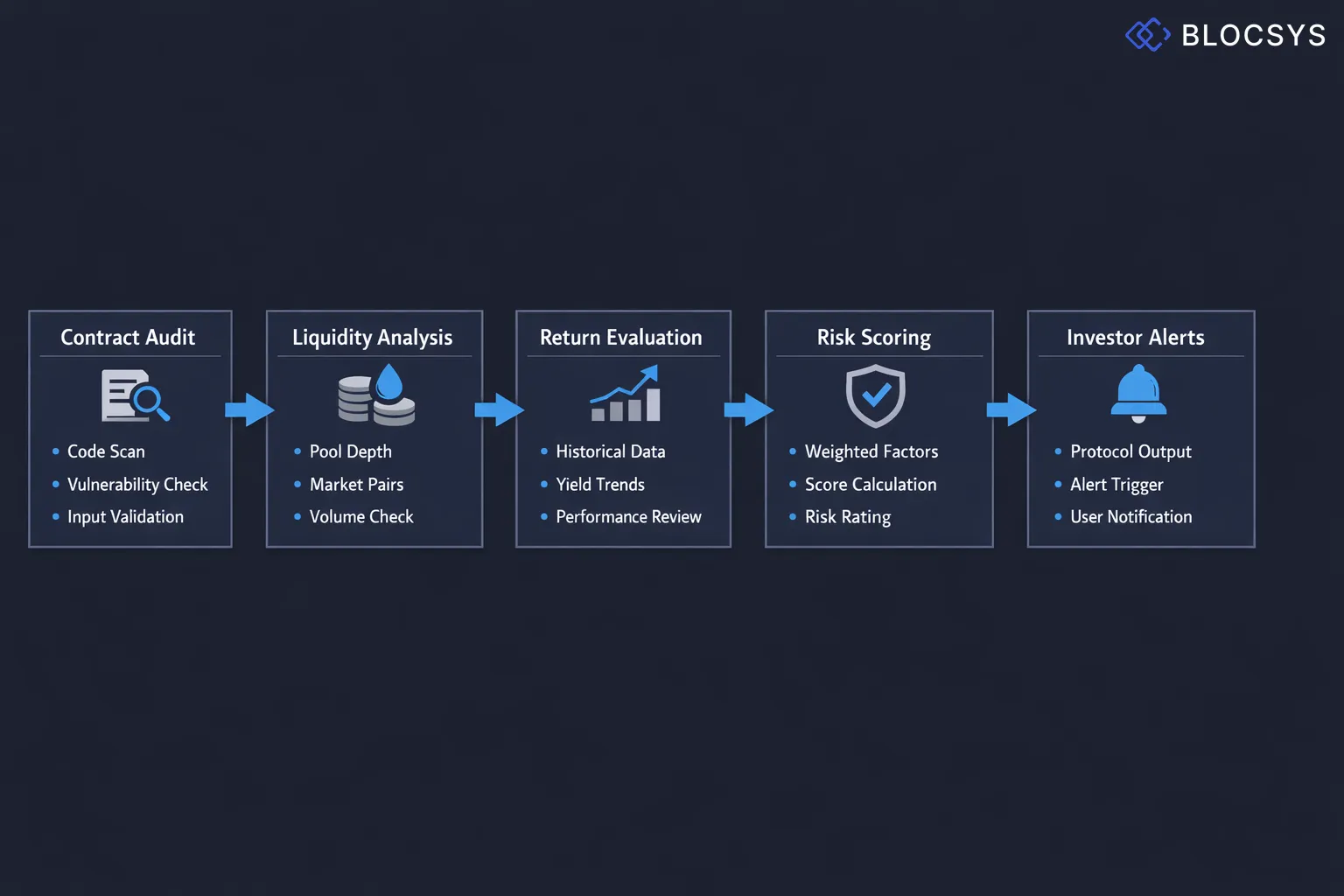
Openclaw features an algorithmic risk-scoring engine that evaluates each protocol it surfaces. It assesses smart contract audits, liquidity depth, and historical return consistency. Additionally, it sends real-time alerts when conditions change materially.
However, no tool eliminates investment risk entirely. Openclaw functions best as a decision-support layer, not a guarantee. Therefore, investors should always pair platform insights with independent due diligence before committing capital.
Core Openclaw DeFi Investment Strategies
Several distinct strategies are available to Openclaw users. Each carries a unique risk-reward profile worth understanding thoroughly. Furthermore, selecting the right combination depends heavily on your investment timeline and risk tolerance.
Liquidity Provision
Providing liquidity to decentralized exchanges is one of the most accessible openclaw defi investment strategies. Investors deposit token pairs into automated market maker pools. Additionally, they earn a proportional share of trading fees generated within those pools.
However, impermanent loss is a real and ongoing risk. This happens when the relative price of deposited tokens diverges after the deposit. Therefore, selecting correlated or stablecoin pairs significantly reduces this exposure. Explore our beginner’s guide to liquidity pools to learn more before investing.
Yield Farming and Auto-Compounding
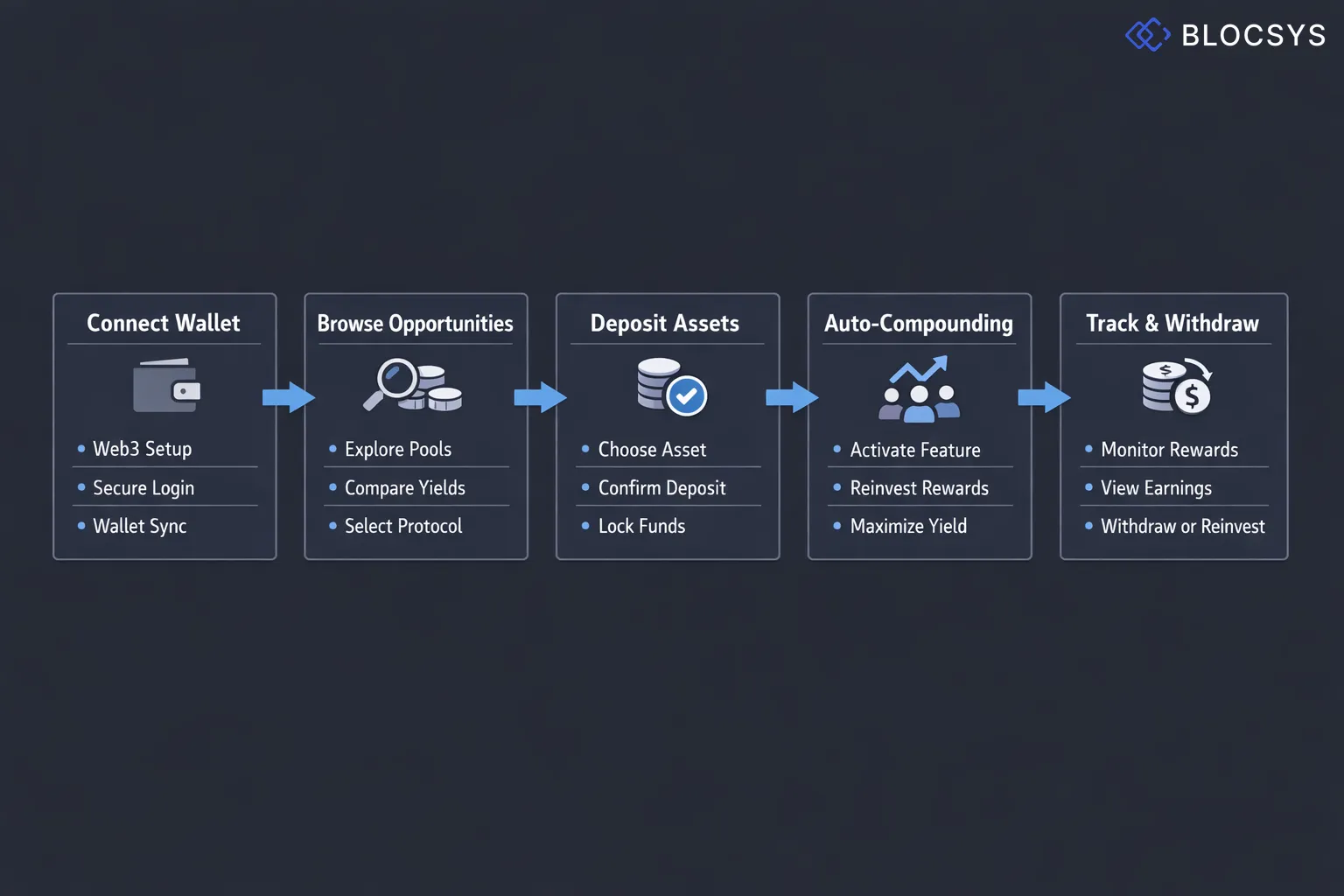
Yield farming involves actively moving assets between protocols to capture the highest available returns. Openclaw simplifies this by surfacing top opportunities across networks in real time. Moreover, its auto-compounding tools reinvest earned rewards automatically, accelerating portfolio growth.
Staking complements yield farming as a lower-effort alternative. Investors lock tokens to support protocol governance or network security. Consequently, stakers receive steady rewards without active management. According to CoinMarketCap’s yield farming explainer, annual returns vary widely based on protocol demand and token supply dynamics.
Risk Management Within Openclaw DeFi Investment Strategies
Effective risk management is what separates sustainable DeFi investing from reckless speculation. Openclaw provides portfolio health scores, stop-loss thresholds, and protocol activity monitors. Furthermore, these tools help investors respond quickly to emerging threats before losses escalate.
Additionally, always verify that any protocol you use has undergone a reputable third-party security audit. Smart contract exploits remain one of the most significant threats in decentralized finance. Therefore, prioritizing audited protocols is a non-negotiable baseline for responsible DeFi participation.
Diversification Across Protocol Types
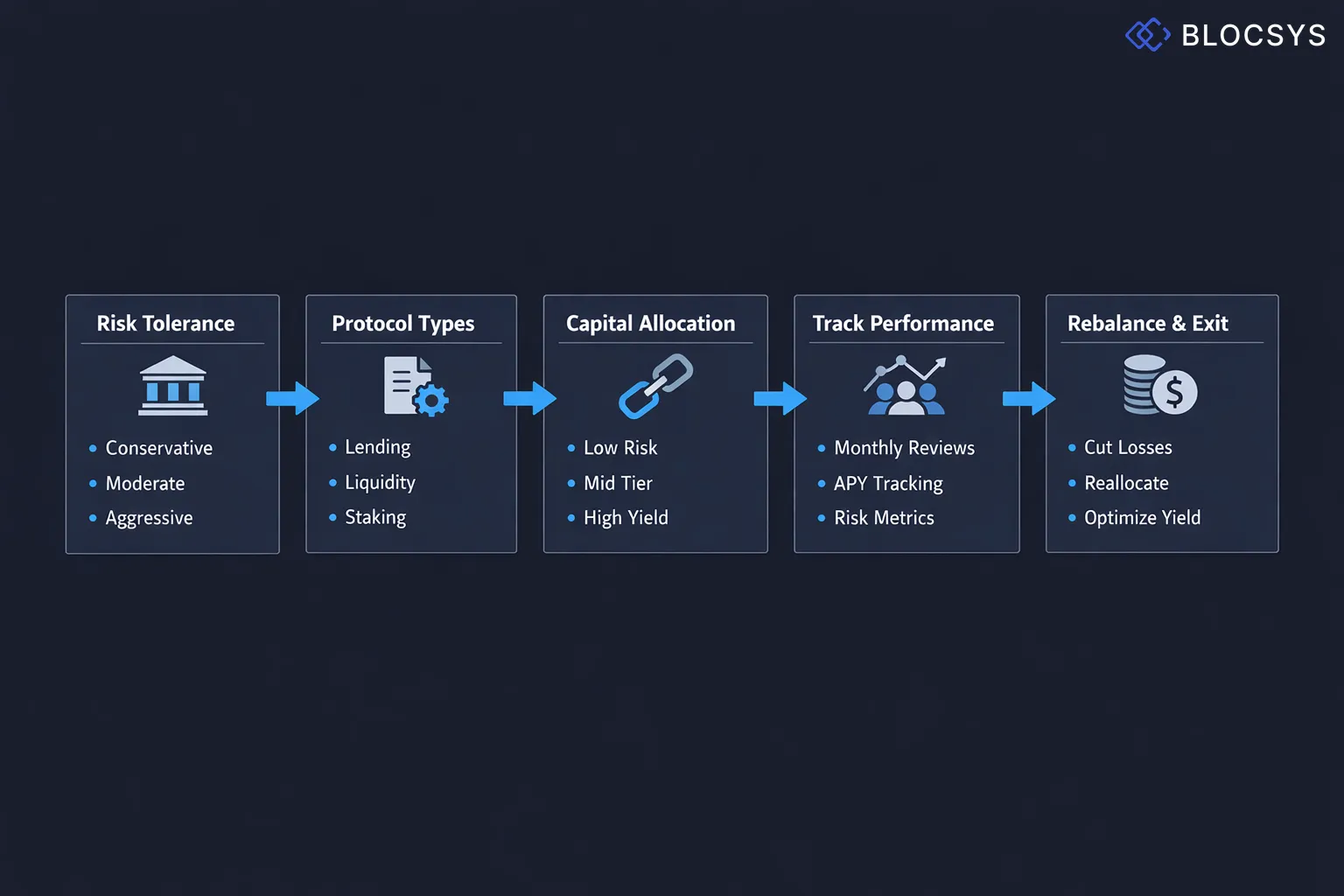
Diversification is one of the most effective openclaw defi investment strategies for reducing concentrated risk. Spreading capital across lending, liquidity, and staking protocols limits your exposure to any single failure point. Moreover, Openclaw’s unified dashboard makes cross-protocol diversification straightforward to execute and monitor.
However, over-diversification can dilute returns and complicate decision-making. Therefore, focusing on three to five high-conviction protocol positions delivers the best balance of risk reduction and return potential. Quality consistently outperforms quantity in DeFi portfolio construction.
Additionally, scheduling monthly portfolio reviews keeps your strategy aligned with evolving market conditions. DeFi ecosystems shift quickly, and protocols that outperform one quarter may underperform the next. Consequently, investors who stay actively informed consistently achieve better long-term outcomes. Read our in-depth DeFi portfolio management guide for a structured review framework.
Getting Started with Openclaw
Beginning your Openclaw journey requires just a compatible Web3 wallet such as MetaMask or Rabby. After connecting, the dashboard surfaces personalized protocol recommendations based on your risk preferences. Furthermore, Openclaw’s onboarding tutorials guide new users through their first deposit without overwhelming complexity.
Start with smaller allocations to build confidence across each strategy type. Moreover, track your results consistently from day one to identify which approaches suit your style best. Active tracking accelerates learning and sharpens future decision-making significantly.
For real-time data on protocol performance and total value locked across the DeFi ecosystem, DeFi Llama is an indispensable free resource. Therefore, bookmarking it alongside your Openclaw dashboard gives you a comprehensive market view. Adaptability, discipline, and continuous learning remain the three pillars of lasting DeFi investment success.
