
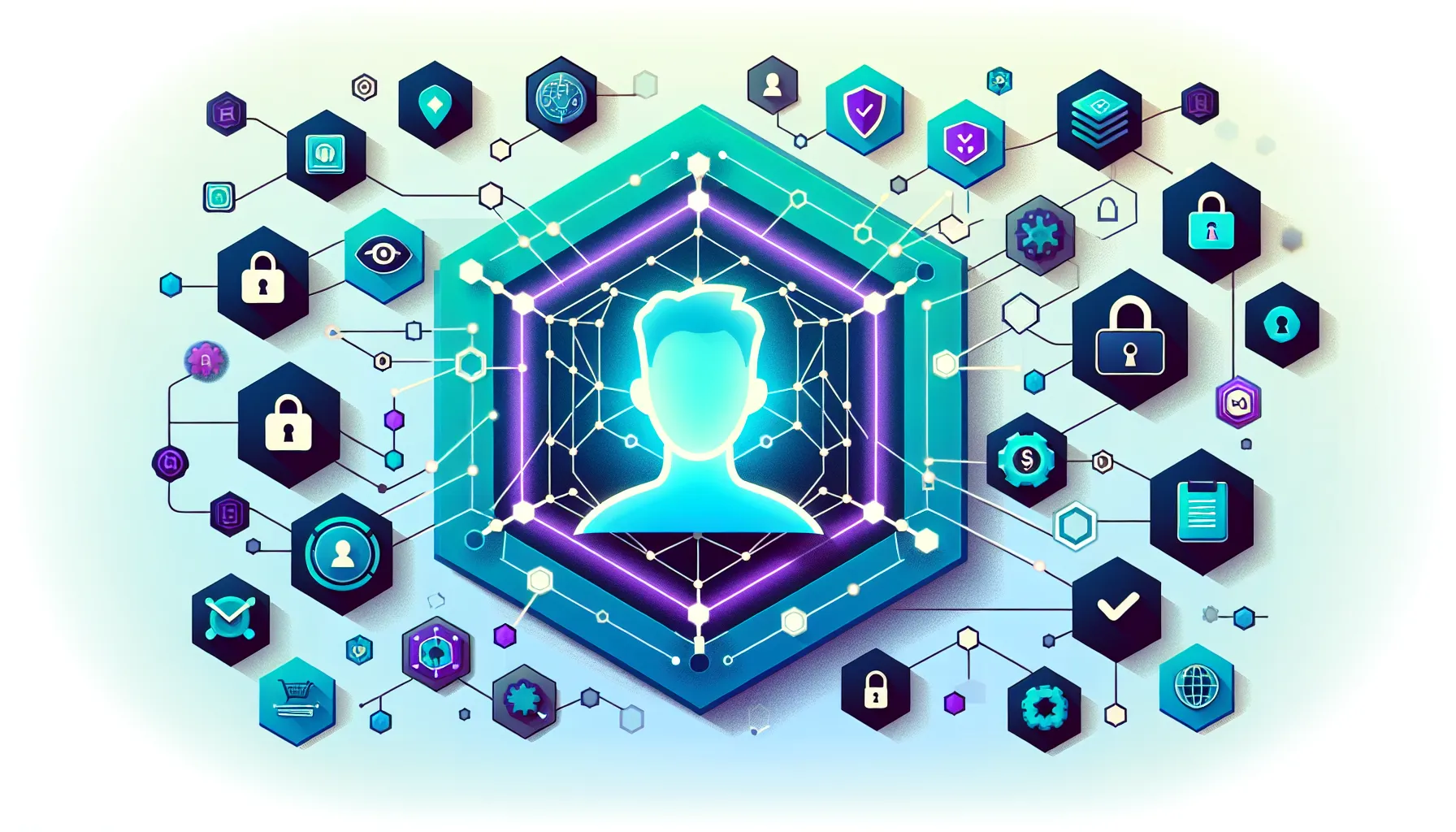
The digital world is shifting at an unprecedented pace, and decentralized identity web3 investment is emerging as one of the most consequential opportunities in technology today. Traditional identity systems place control in the hands of corporations and governments, creating serious privacy vulnerabilities. However, a new paradigm is rising — one where individuals own their credentials, verify their identity without intermediaries, and transact with confidence across the open web. Moreover, forward-thinking investors are recognizing this shift as a foundational bet on Web3’s future.
What Is Decentralized Identity?
Decentralized identity, also called self-sovereign identity (SSI), allows individuals to own and manage their personal data without relying on any central authority. Furthermore, it uses cryptographic proofs and distributed ledger technology to verify credentials securely. Users store identity data in digital wallets, sharing only what each interaction requires. Consequently, this approach dramatically reduces the risk of large-scale data breaches that plague centralized systems.
Traditional identity systems force users to create accounts across dozens of platforms. Additionally, each platform stores a copy of personal information, multiplying exposure to theft and misuse. Decentralized identity eliminates this redundancy entirely. Therefore, individuals gain far greater control over their digital lives and their data.
Core Components That Power SSI
Several essential elements make decentralized identity function effectively at scale:
- Decentralized Identifiers (DIDs): Unique, cryptographically verifiable addresses that individuals control directly.
- Verifiable Credentials (VCs): Digital documents that prove claims about identity without exposing raw personal data.
- Blockchain Anchoring: Immutable records that confirm the validity of identifiers and issued credentials.
- Digital Wallets: Secure storage solutions where users manage, share, and revoke their credentials.
Together, these components create a robust trust framework. Moreover, open standards from the W3C Decentralized Identifiers specification ensure interoperability across diverse platforms and networks worldwide.
Decentralized Identity Web3 Investment Opportunities
The intersection of decentralized identity and Web3 is generating significant investor enthusiasm. Furthermore, analysts project that the self-sovereign identity market will grow substantially over the next decade. Protocols like Polygon ID, Civic, and Ceramic Network are attracting venture capital at an accelerating pace. Consequently, early investors are positioning themselves ahead of a transformative technological wave.
Decentralized identity infrastructure underpins nearly every major Web3 application category. Additionally, DeFi platforms, NFT marketplaces, and decentralized autonomous organizations all require reliable identity verification. Therefore, investing in identity layers represents a foundational bet on the entire Web3 stack. Smart capital recognizes that identity is the infrastructure layer making everything else trustworthy and functional.
Why Investors Are Paying Close Attention
Several converging trends are accelerating investor confidence in decentralized identity projects right now:
- Regulatory tailwinds: Global data privacy laws like GDPR actively push enterprises toward user-controlled identity solutions.
- Enterprise adoption: Major corporations are piloting SSI frameworks for employee and customer identity management at scale.
- Cross-chain expansion: Interoperability protocols are broadening the addressable market for decentralized identity solutions significantly.
Furthermore, Gartner’s research on decentralized identity highlights the technology as a top strategic enterprise trend for 2025 and beyond. However, investors should carefully evaluate teams, token economics, and real-world adoption metrics before committing meaningful capital.
![[An investor analyzing Web3 blockchain identity protocol growth charts on multiple screens in a sleek, modern technology office environment]](https://s3.blocsys.com/blocsys/blog-images/1772177472797-bd789914e8a7116c.webp)
Challenges and Risks Worth Understanding
Decentralized identity is not without its obstacles. However, understanding these risks helps investors and adopters make far smarter decisions. Scalability remains a significant technical hurdle, as blockchain networks must handle millions of identity verifications efficiently and affordably. Moreover, user experience still creates friction — many individuals find digital wallets and cryptographic key management genuinely intimidating.
Interoperability between competing identity protocols also presents ongoing complexity for developers and enterprises alike. Additionally, regulatory uncertainty across various jurisdictions can slow institutional adoption considerably. Therefore, investors should prioritize projects actively addressing these friction points through strong governance models and thriving developer ecosystems.
How Leading Projects Are Solving These Problems
Top teams are building intuitive onboarding flows that abstract away cryptographic complexity from everyday users. Furthermore, layer-2 solutions and zero-knowledge proofs are simultaneously improving scalability and strengthening privacy guarantees. Consequently, the gap between decentralized identity’s promise and its practical usability is closing faster than many industry observers initially expected.
To explore related themes, read our guide to Web3 infrastructure investment strategies and our detailed breakdown of zero-knowledge proofs and their real-world applications.
The Future Belongs to Self-Sovereign Identity
Decentralized identity represents more than a technical upgrade — it is a fundamental reimagining of how trust operates across the internet. Moreover, as Web3 matures, identity infrastructure will become as critical as payment rails are within the traditional financial system. Therefore, individuals, enterprises, and investors who understand this shift early will hold a distinct and lasting strategic advantage.
Additionally, governments worldwide are beginning to explore digital identity frameworks built on decentralized principles. This institutional momentum further validates the long-term trajectory of the entire space. Consequently, decentralized identity is no longer a niche experiment — it is rapidly becoming a cornerstone of the next-generation internet.
