
The year 2026 marks a defining moment for decentralized physical infrastructure networks. DePIN investment opportunities 2026 are attracting serious capital from both retail and institutional investors worldwide. Moreover, the convergence of blockchain technology with real-world infrastructure is creating entirely new asset classes. Therefore, understanding this space today could position you decisively ahead of the curve.
What Is DePIN and Why It Matters This Year
DePIN stands for Decentralized Physical Infrastructure Networks. These networks use blockchain tokens to incentivize participants to build and maintain real-world infrastructure. Furthermore, this model disrupts traditional centralized providers across energy, telecommunications, mobility, and data storage sectors. Consequently, investors are paying extremely close attention to these rapidly emerging opportunities in 2026.
The Core Mechanics of DePIN Networks
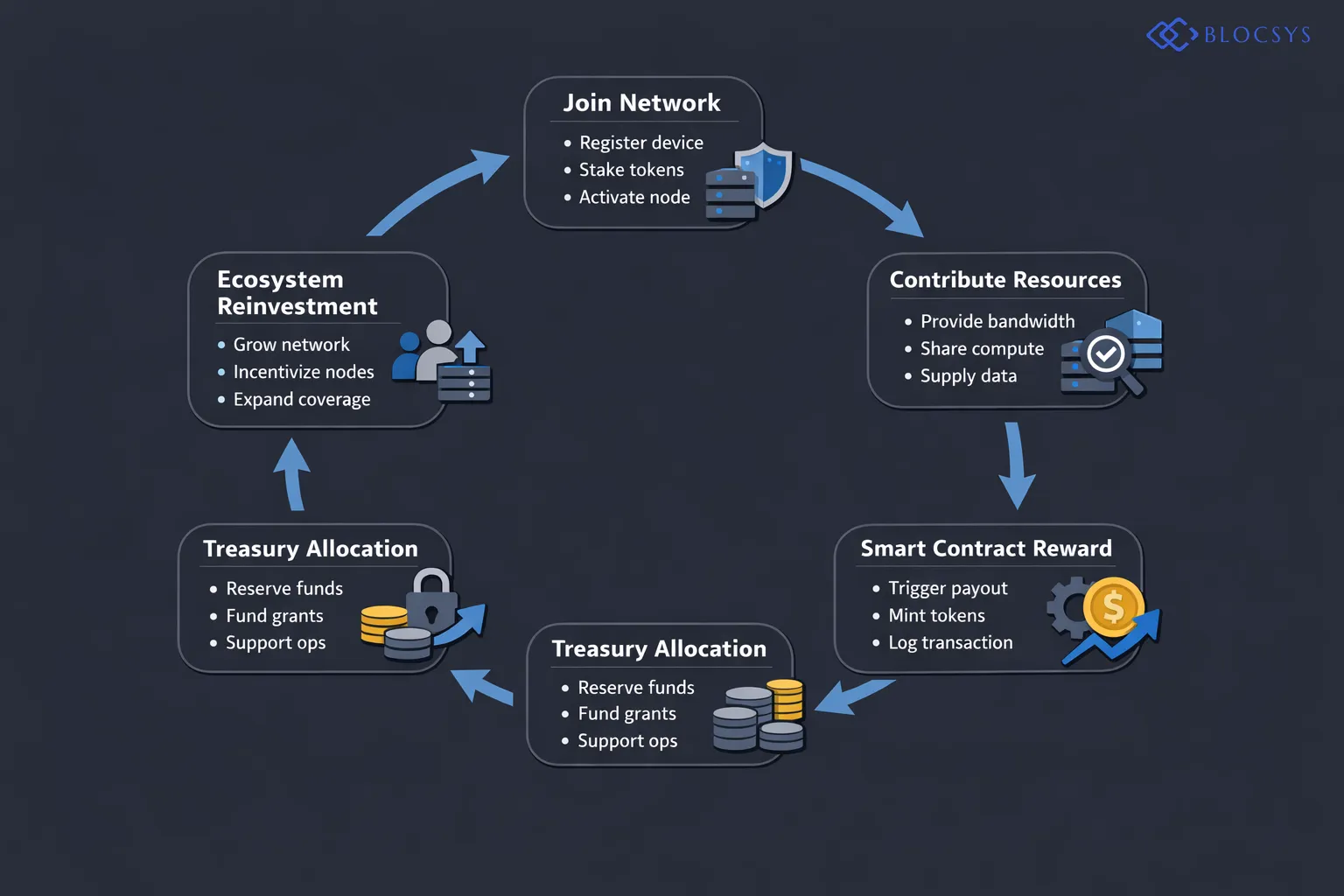
At its core, a DePIN project rewards contributors with tokens for providing physical resources. For example, a participant might earn tokens by sharing unused bandwidth, hosting data, or supplying solar energy to a local grid. Additionally, token holders can stake assets, earn yields, or vote on governance decisions. This model aligns incentives between builders, users, and investors in a highly efficient way.
Top DePIN Investment Opportunities 2026
Several sectors within DePIN are generating strong investor interest this year. However, not all projects carry the same risk-reward profile. Therefore, it pays to understand which categories are gaining genuine traction. The most promising areas include wireless networks, decentralized energy grids, and distributed data storage protocols.
Wireless and Connectivity Networks
Wireless DePIN projects allow individuals to deploy hotspots and earn token rewards for coverage. Helium remains a notable early example, though many strong competitors have since emerged. Furthermore, 5G and IoT expansion creates massive demand for decentralized connectivity infrastructure globally. Consequently, this segment offers compelling long-term investment potential for patient, conviction-driven capital in 2026.
Decentralized Energy and Storage
Energy DePIN projects tokenize power generation and distribution at the community level. These projects connect solar panel owners directly with energy buyers via transparent smart contracts. Moreover, decentralized storage networks like Filecoin and Arweave reward users for lending unused storage capacity. Additionally, both sectors generate real utility demand, which supports more sustainable token economics over the long term.
Real World Asset Tokenization and DePIN Synergies
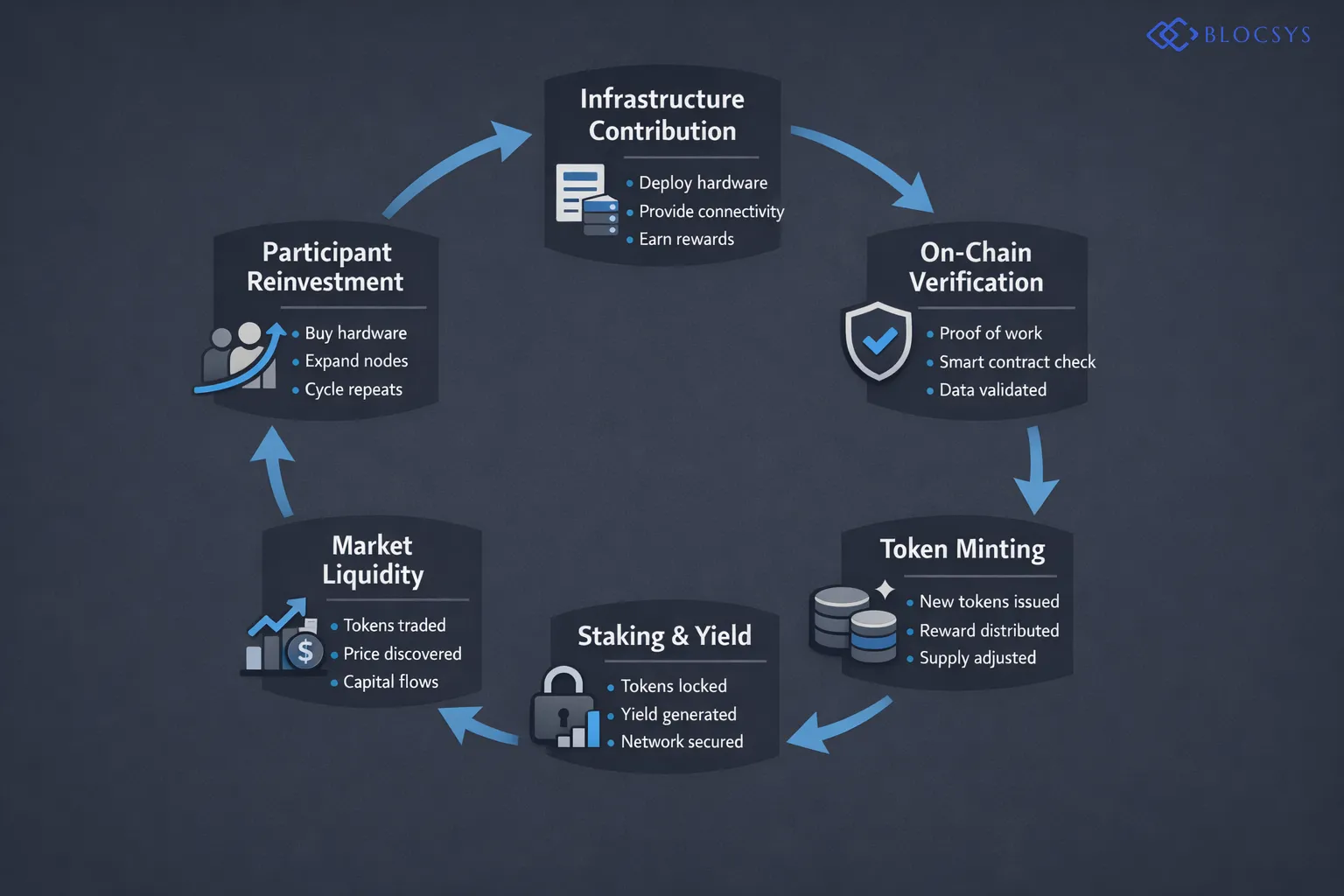
One of the most exciting intersections in 2026 involves real world asset tokenization investment combined with DePIN infrastructure. Tokenizing physical assets on-chain unlocks liquidity and fractional ownership at scale. Furthermore, DePIN networks provide the decentralized infrastructure that supports these tokenized systems reliably. Consequently, these two powerful trends are proving deeply complementary to one another.
Tokenized Real Estate Blockchain Investment
Tokenized real estate blockchain investment is gaining significant momentum throughout 2026. Platforms now allow investors to purchase fractional shares of commercial and residential properties via blockchain tokens. Moreover, DePIN-powered smart grids and connectivity networks actively add operational value to tokenized real estate assets. Therefore, investors can benefit from both property appreciation and network token rewards simultaneously.
Several platforms are already enabling this model at impressive scale. For example, RealToken allows global investors to access tokenized real estate with low minimum entry points. Additionally, on-chain transparency reduces fraud risk and streamlines regulatory compliance considerably. Furthermore, explore our deeper analysis of tokenized asset strategies to sharpen your understanding before investing.
How to Evaluate DePIN Projects Before Investing
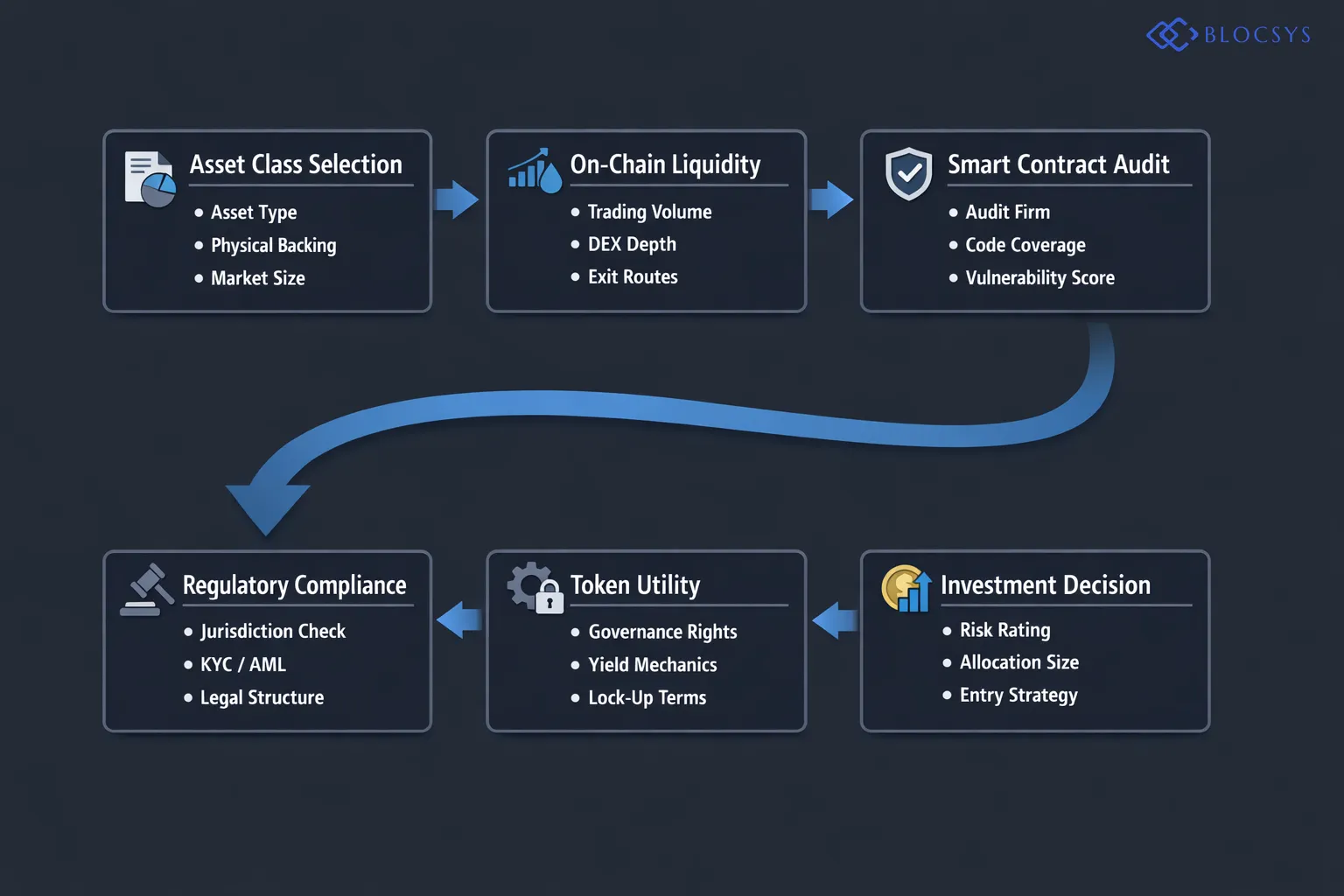
Smart investors apply a structured framework before committing capital to any DePIN project. However, the evaluation process differs meaningfully from traditional cryptocurrency analysis. Therefore, consider these key factors carefully when assessing each opportunity you encounter.
- Real-world utility: Does the network solve a genuine, scalable infrastructure problem?
- Token economics: Are emission schedules sustainable and aligned with long-term growth?
- Team and backers: Do experienced builders and credible institutional VCs support the project?
- Network growth metrics: Is the active node count and on-chain usage increasing consistently?
- Regulatory positioning: Does the project operate within clearly defined legal frameworks?
Additionally, reviewing on-chain data gives you objective, unbiased insight into network health. Tools like Dune Analytics help investors track key performance metrics transparently and in real time. Moreover, comparing multiple projects within the same DePIN vertical quickly helps identify emerging market leaders.
Risks Every DePIN Investor Must Understand
DePIN investment opportunities 2026 come with meaningful risks that every investor must honestly acknowledge. Hardware dependency creates operational vulnerabilities that purely digital crypto projects naturally avoid. Furthermore, regulatory uncertainty remains a significant challenge across many global jurisdictions. Consequently, disciplined portfolio sizing and broad diversification remain essential risk management tools throughout this evolving space.
Additionally, token liquidity can be severely limited for early-stage DePIN projects with small communities. Moreover, network adoption must reach critical mass for token economics to function as originally designed. Therefore, prioritizing established networks with proven traction meaningfully reduces downside risk. Also, review our comprehensive guide on DePIN risk management before committing significant capital to any single project.
Positioning Yourself for DePIN Success in 2026
DePIN represents one of the most tangible and exciting intersections of blockchain technology and the physical world. Furthermore, the powerful combination of real world asset tokenization investment strategies and decentralized infrastructure is reshaping how investors think about ownership and yield generation. Therefore, 2026 presents a rare and time-sensitive window to build positions in projects with genuine utility and proven long-term growth potential. However, always conduct thorough due diligence and invest only what you can responsibly afford to lose.
