
The rise of the enterprise blockchain tokenization platform is transforming how organizations manage, trade, and transfer assets globally. Companies now convert physical and financial assets into secure digital tokens on a distributed ledger. Furthermore, this shift creates unprecedented opportunities for liquidity, transparency, and operational efficiency. Therefore, businesses across finance, real estate, and supply chain are rapidly embracing this powerful technology.
What Is an Enterprise Blockchain Tokenization Platform?
An enterprise blockchain tokenization platform converts the ownership rights of real-world assets into digital tokens stored on a distributed ledger. These tokens represent shares, property, commodities, or financial instruments in a verifiable digital form. Moreover, smart contracts automate transfers, enforce business rules, and eliminate costly intermediaries. Consequently, businesses gain faster settlement times and significantly reduced operational overhead.
Core Components of a Tokenization Platform
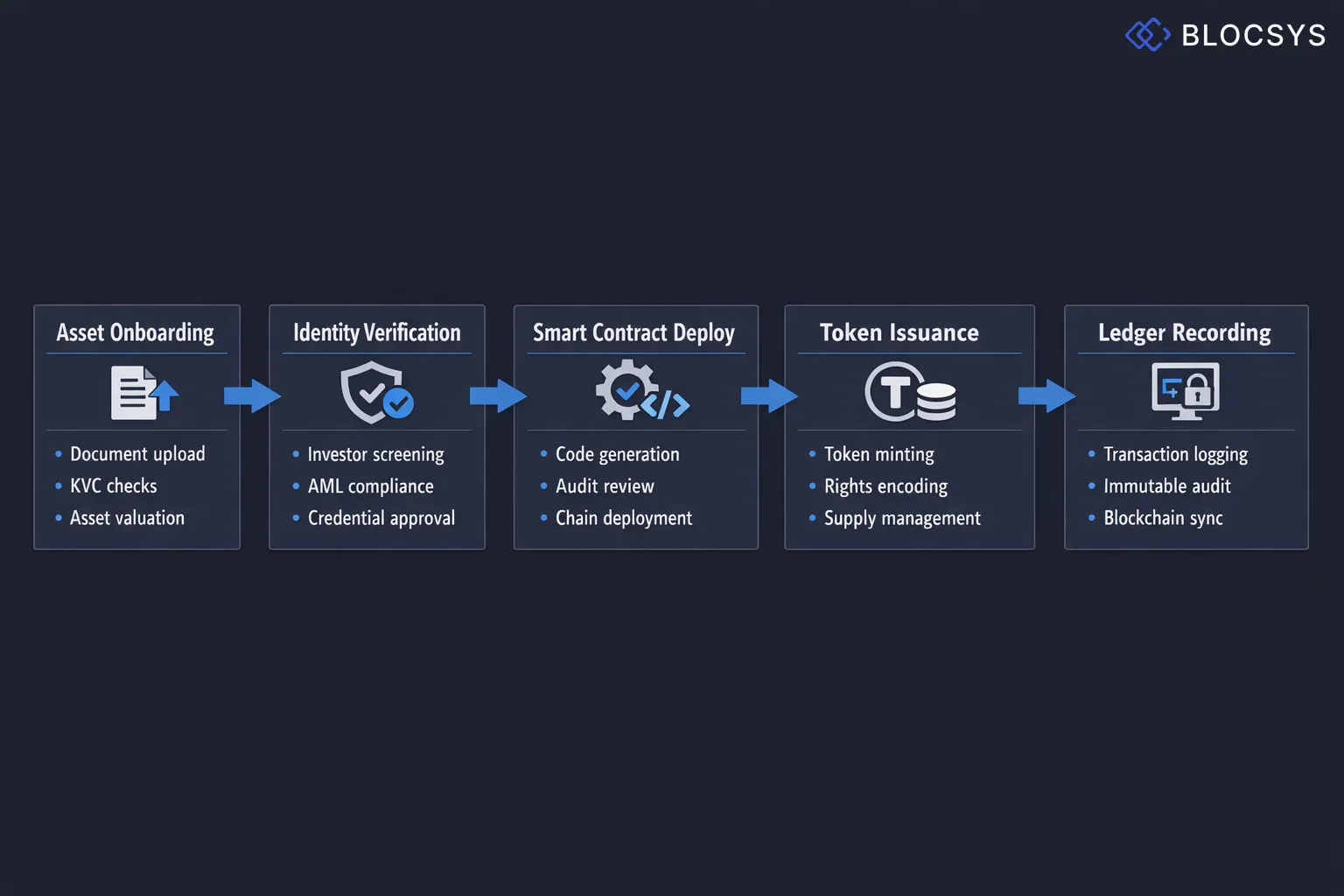
Every enterprise-grade platform depends on several critical components working together. Smart contract infrastructure governs token issuance and automated lifecycle management. Additionally, identity and compliance modules ensure full KYC and AML regulatory adherence. Furthermore, asset custody integrations secure the underlying real-world assets throughout their token lifecycle. Together, these elements form a reliable, scalable, and audit-ready ecosystem.
Key Benefits of an Enterprise Blockchain Tokenization Platform
Enterprises adopting tokenization platforms unlock significant competitive advantages over traditional asset management approaches. First, tokenization dramatically improves asset liquidity by enabling continuous secondary market trading. Additionally, it enables fractional ownership, thereby lowering barriers for a wider investor base. Moreover, blockchain’s immutable ledger enhances auditability and reduces fraud risk considerably. Therefore, businesses achieve greater trust with both stakeholders and regulators.
Enhanced Liquidity and Market Access
Traditional assets like real estate or private equity typically suffer from poor liquidity. However, tokenization allows these assets to trade on secondary markets at any time of day. Furthermore, fractional tokens enable smaller investors to participate in high-value asset classes. Consequently, enterprises attract a broader and more diverse pool of capital. According to the World Economic Forum, tokenized assets could represent $16 trillion in global value by 2030.
Transparency and Regulatory Compliance
Blockchain’s transparent ledger creates an auditable trail for every single transaction recorded. Therefore, enterprises can demonstrate compliance to regulators with far greater ease. Additionally, smart contracts enforce pre-coded rules automatically, reducing human error and expensive manual oversight. Moreover, automated reporting tools simplify complex regulatory submissions across multiple jurisdictions. This level of transparency builds deep investor confidence and accelerates deal timelines substantially.
How Enterprises Deploy Tokenization at Scale
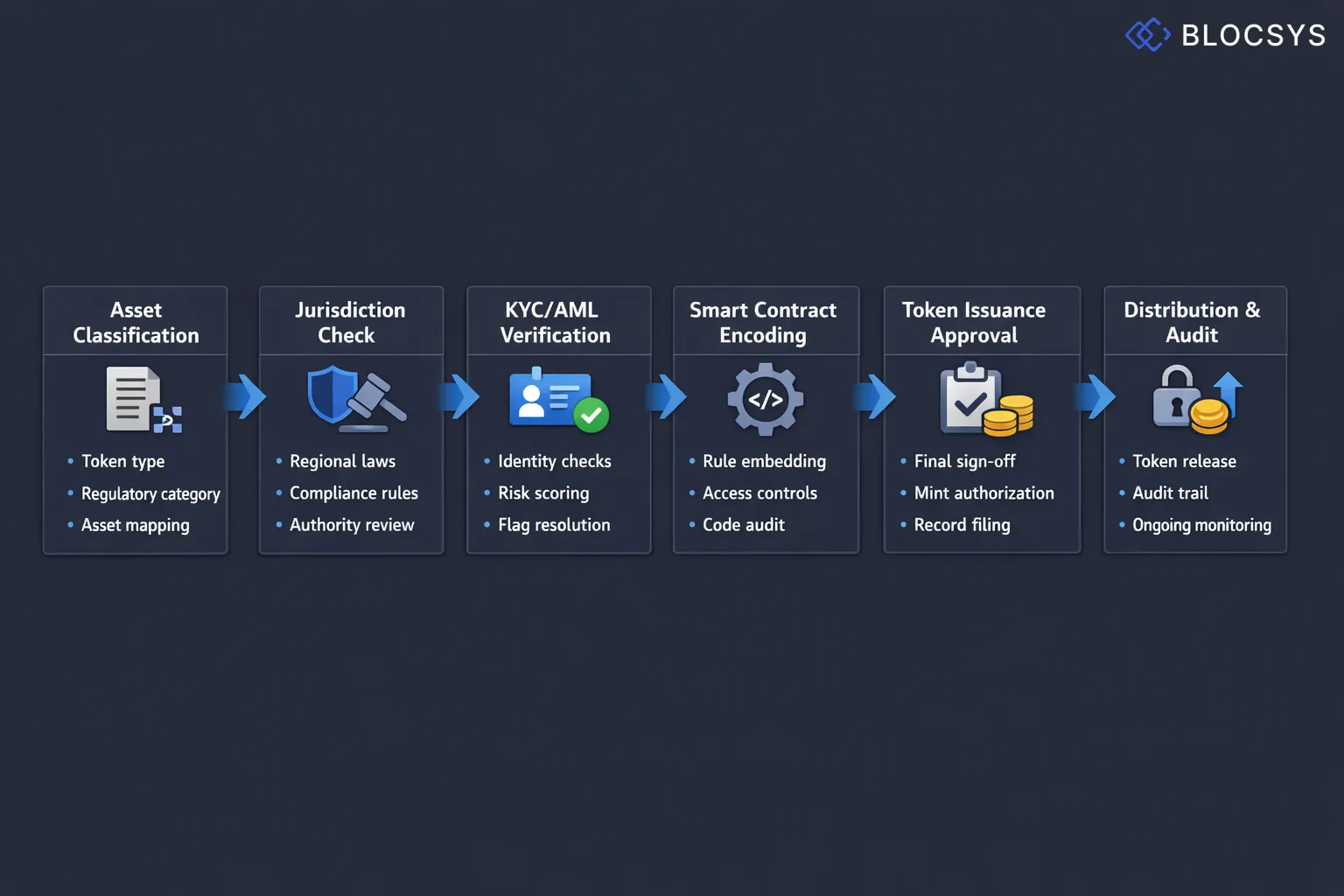
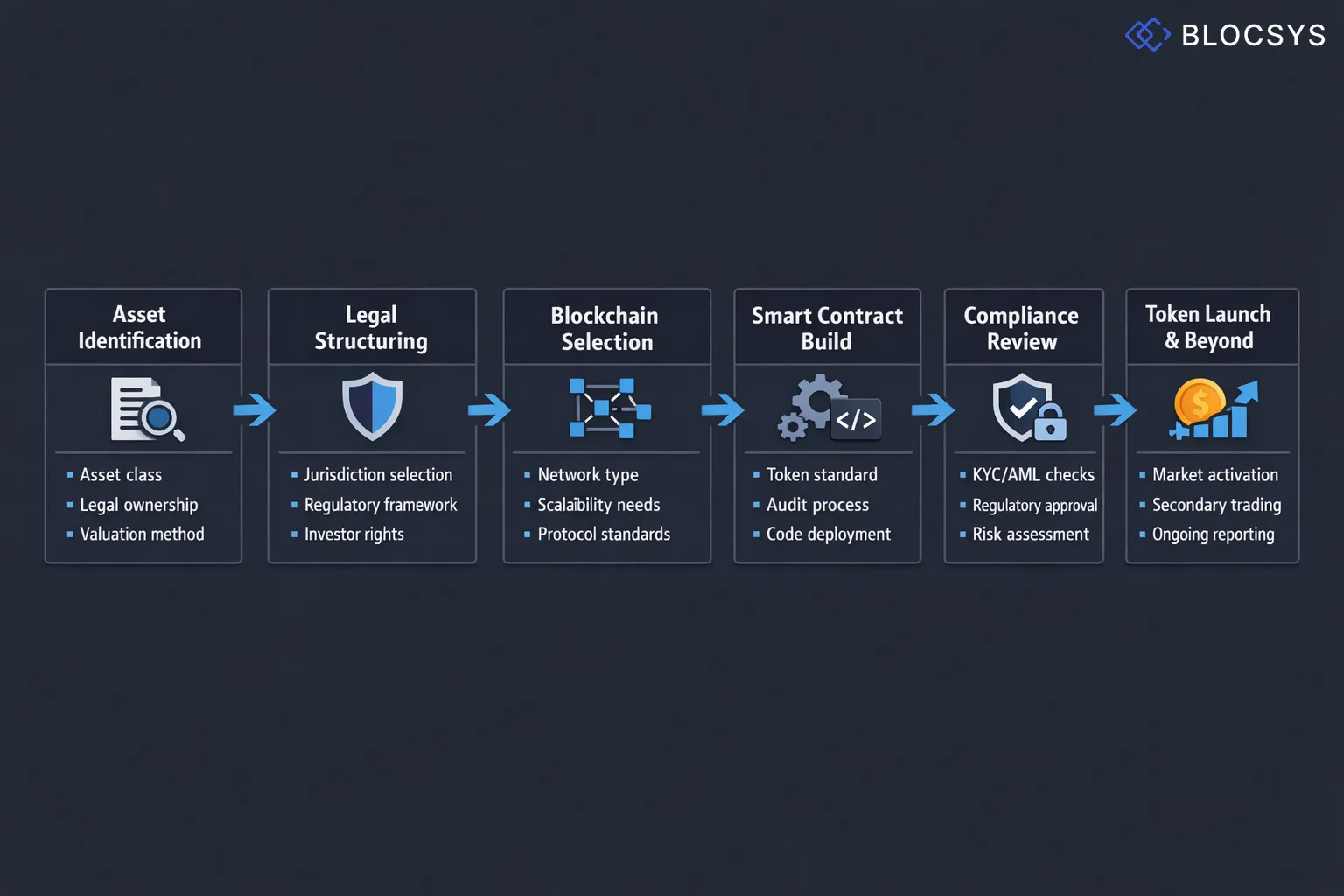
Deploying an enterprise tokenization solution at scale requires methodical planning and strong cross-functional collaboration. First, teams identify assets suitable for tokenization based on liquidity needs and applicable regulatory frameworks. Furthermore, they select either a permissioned or public blockchain depending on specific privacy and performance requirements. Consequently, implementation partners integrate custodial services, digital wallets, and compliance tools seamlessly into the chosen platform.
Step-by-Step Implementation Process
A structured approach to deployment ensures long-term success and regulatory alignment. Consider these essential phases:
-
Asset evaluation: Assess legal structure, current valuation, and overall tokenization suitability.
-
Platform selection: Choose a blockchain network aligned with performance, privacy, and compliance requirements.
-
Smart contract development: Encode the rules governing the full token lifecycle and investor rights.
-
Regulatory approval: Engage legal counsel to verify securities law and jurisdictional compliance.
-
Token issuance and distribution: Launch tokens to qualified investors through a secure, auditable portal.
Additionally, ongoing monitoring ensures the platform continuously operates within established regulatory boundaries. Therefore, enterprises must allocate dedicated resources for regular compliance reviews and security audits. Explore our guide to smart contract security best practices to strengthen your deployment foundation effectively.
Real-World Applications Across Industries
The enterprise blockchain tokenization platform finds compelling applications across a wide range of asset-intensive industries. In real estate, leading firms tokenize commercial properties to enable fractional investment and faster capital raising. Moreover, financial institutions tokenize bonds, funds, and structured products to accelerate settlement and reduce counterparty risk. In supply chains, manufacturers tokenize commodities to improve traceability and unlock new supply chain financing options. Therefore, this technology disrupts virtually every sector that relies on asset ownership and transfer.
Choosing the Right Enterprise Tokenization Solution
Selecting the right platform requires evaluating several critical criteria simultaneously. First, enterprises should carefully assess the platform’s scalability, security architecture, and built-in compliance tooling. Furthermore, integration capabilities with existing ERP, banking, and custodial systems matter enormously for seamless operations. Additionally, consider the vendor’s regulatory track record and relevant industry certifications. The Monetary Authority of Singapore’s Project Guardian offers a valuable industry benchmark for enterprise tokenization standards worldwide.
Moreover, the total cost of ownership — including ongoing maintenance, audits, and compliance operations — should guide final vendor decisions. Consequently, enterprises that invest in thorough due diligence today will build tokenization capabilities that scale with confidence for years to come.
