
Building a robust web3 portfolio diversification strategy is one of the smartest moves any crypto investor can make today. Web3 spans cryptocurrencies, decentralized finance (DeFi), non-fungible tokens (NFTs), and blockchain infrastructure projects. Therefore, spreading capital across multiple asset types reduces exposure to catastrophic loss. Additionally, diversification lets you capture growth from different corners of the decentralized economy. A thoughtful approach can transform volatile markets into meaningful long-term wealth.
Why a Web3 Portfolio Diversification Strategy Matters
The crypto market is notoriously volatile. Furthermore, single-asset bets have wiped out fortunes in a matter of hours. Consequently, a disciplined web3 portfolio diversification strategy is not optional — it is a necessity. Moreover, the Web3 ecosystem is still maturing, so today’s leading tokens may not retain their dominance tomorrow. Therefore, diversification protects you from sector-specific crashes while keeping you exposed to overall market growth.
Understanding Risk in the Web3 Space
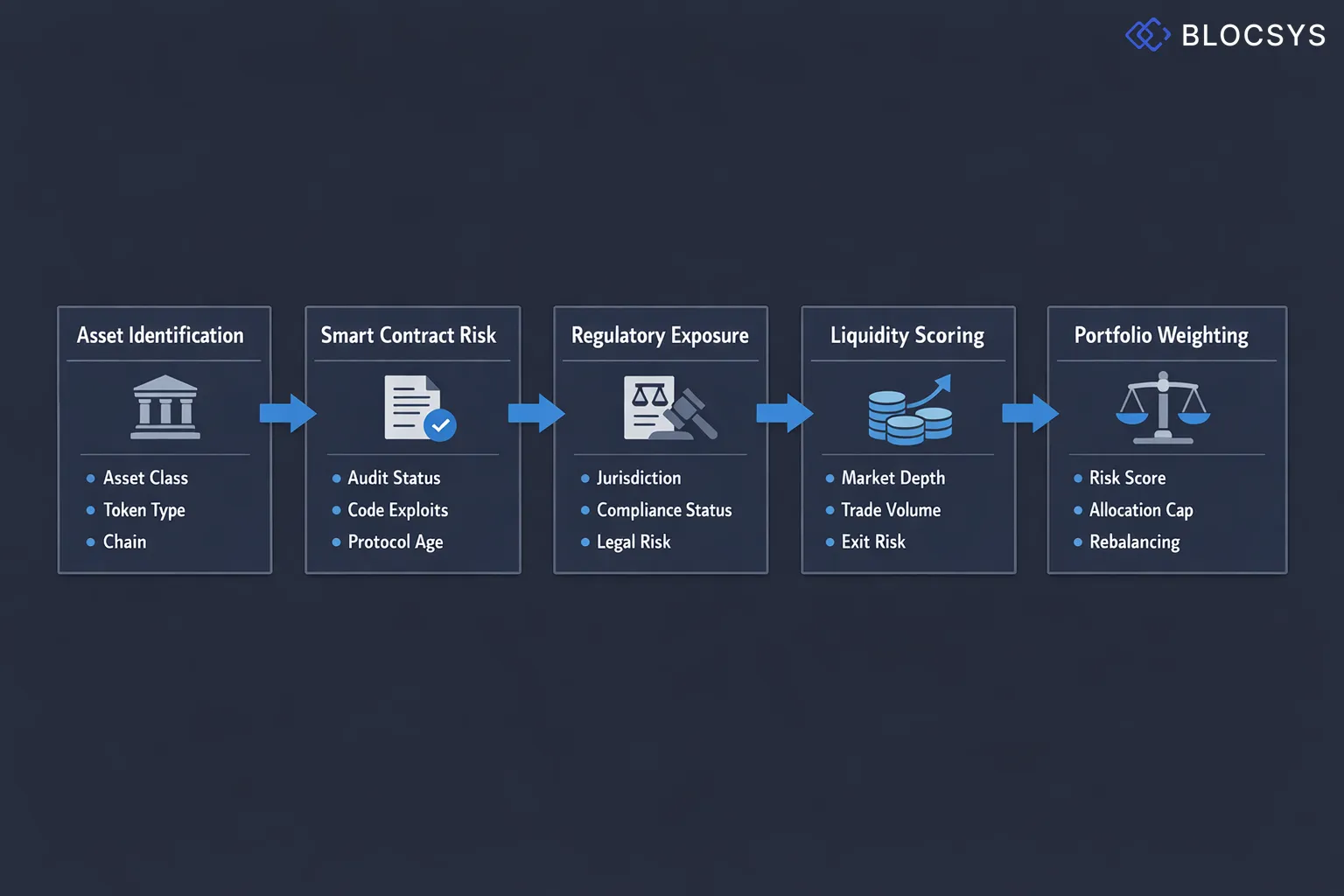
Web3 assets carry unique risks that go far beyond simple price volatility. Smart contract vulnerabilities, regulatory shifts, and liquidity crunches can drain value quickly. However, different asset classes respond very differently to these pressures. Additionally, established Layer 1 blockchains tend to be far more resilient than small-cap altcoins during downturns. Consequently, understanding each asset’s risk profile is the essential first step toward building effective diversification.
Core Asset Classes for a Balanced Web3 Portfolio
A well-diversified Web3 portfolio typically spans several distinct asset classes. Furthermore, each class behaves differently under market stress, which is exactly what makes combining them so powerful. Therefore, understanding what each category offers is critical before you deploy capital.
Layer 1 Blockchains
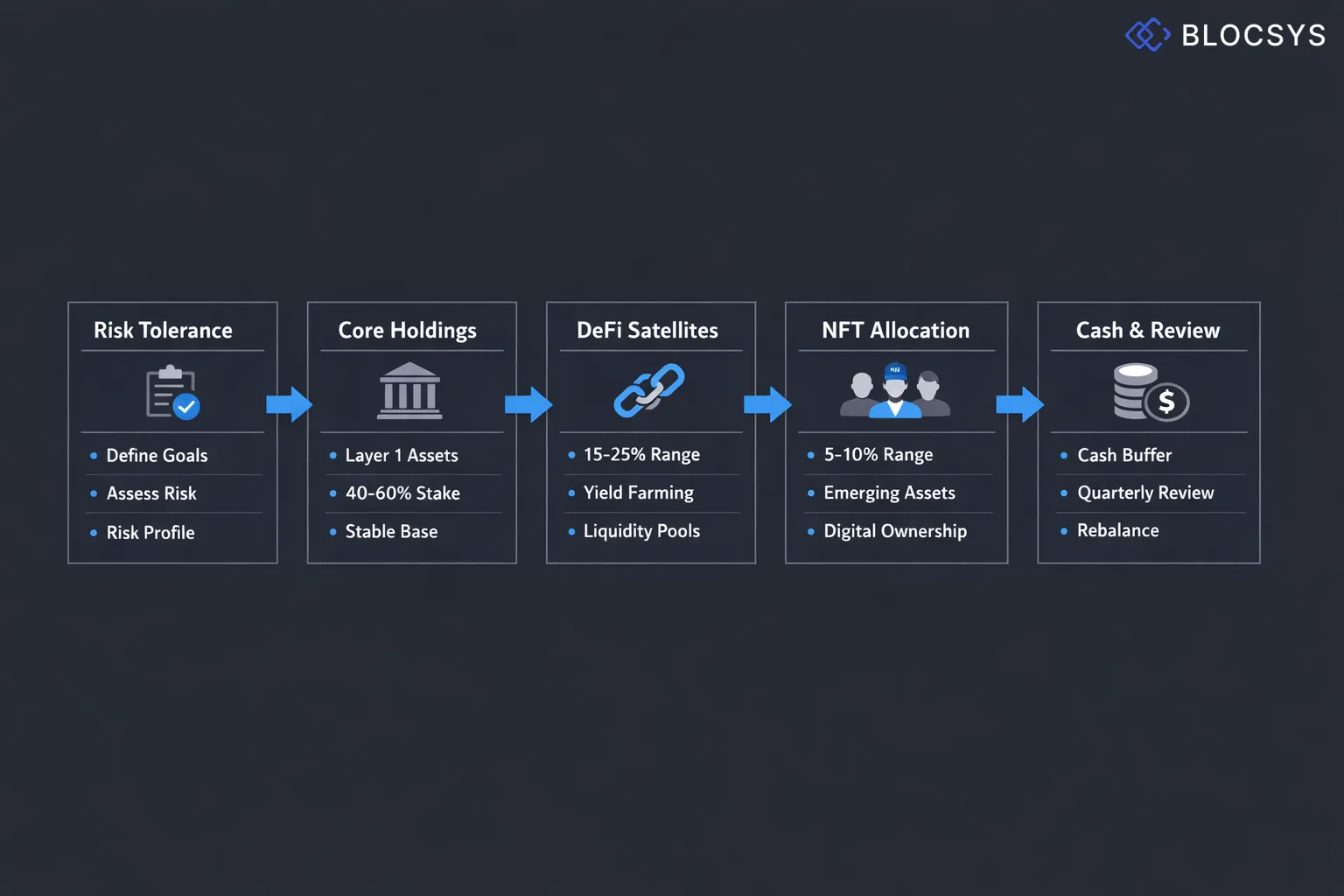
Layer 1 blockchains like Ethereum, Solana, and Avalanche form the backbone of most Web3 portfolios. These assets tend to lead market recoveries and demonstrate stronger resilience during downturns. Additionally, they underpin DeFi protocols, NFT marketplaces, and Web3 applications — giving them durable, broad utility. Therefore, most experts recommend allocating 40–60% of a Web3 portfolio to established Layer 1 tokens. You can explore Ethereum’s official developer documentation to understand the foundational value driving this ecosystem.
DeFi Tokens and Protocols
DeFi tokens represent another powerful layer in any diversification approach. Protocols like Uniswap, Aave, and Compound generate real revenue and distribute value directly to token holders. However, DeFi tokens carry elevated risk due to smart contract exposure and evolving regulatory pressure. Therefore, most seasoned investors limit DeFi allocations to 15–25% of their total portfolio. Moreover, focusing on audited protocols with strong community governance further reduces downside risk.
NFTs and Emerging Digital Assets
NFTs add a speculative but potentially high-reward dimension to any diversification plan. Furthermore, blue-chip NFT collections have demonstrated surprising resilience during prolonged bear markets. However, this sector carries significant illiquidity risk and demands active, ongoing research. Consequently, most strategies recommend capping NFT and emerging digital asset exposure at 5–10% of total holdings. Additionally, prioritizing projects with proven communities and real-world utility meaningfully reduces your downside exposure. Explore our guide to managing crypto risk for a deeper framework on limiting speculative losses.
How to Build and Maintain Your Allocation
Allocation is the engine of any effective portfolio strategy in Web3. However, no single model fits every investor equally. Moreover, your risk tolerance, investment horizon, and market knowledge all shape the ideal breakdown. Therefore, always tailor your allocation to your personal financial goals — not someone else’s published portfolio template.
The Core-Satellite Approach
The core-satellite model works exceptionally well for Web3 investors. You direct the majority of capital — the core — toward stable, high-liquidity assets like Bitcoin and Ethereum. Additionally, smaller satellite positions in high-growth opportunities like emerging Layer 2 tokens or early-stage DeFi protocols complement that stability. Therefore, this model delivers a balance between capital preservation and meaningful upside potential. Furthermore, it gives you the flexibility to rotate satellite positions as market conditions evolve throughout the year.
Rebalancing and Staying Informed
Markets shift constantly in the Web3 space. Therefore, regular portfolio rebalancing is essential to maintaining your target allocation over time. Moreover, quarterly rebalancing has proven highly effective for long-term crypto investors who want to lock in gains and manage drift. Additionally, platforms like CoinGecko offer real-time data to help you track performance across your entire portfolio. Furthermore, DeFiLlama provides protocol-level analytics that help you spot early warning signs within your DeFi holdings before problems escalate.
Watching Emerging Web3 Sectors
Web3 evolves at a relentless pace, creating new opportunities every quarter. Consequently, sectors like real-world asset (RWA) tokenization, decentralized physical infrastructure (DePIN), and AI-powered blockchain protocols are gaining serious institutional traction. Therefore, reserving 5–10% of your portfolio for emerging sectors positions you well to benefit from the next major innovation wave. However, always conduct thorough due diligence before entering any new category. Additionally, our analysis of Web3’s fastest-growing sectors can help you identify where the most compelling opportunities are forming in 2026 and beyond.
A consistent, research-backed web3 portfolio diversification strategy remains your strongest defense against volatility and your most reliable path to long-term growth. Furthermore, combining Layer 1 foundations, measured DeFi exposure, selective digital asset bets, and emerging sector positions creates a portfolio built to endure market cycles. Therefore, start refining your strategy today — the Web3 opportunity window remains wide open for disciplined, diversified investors.
