
Investors everywhere are searching for new ways to generate competitive returns, and real world asset tokenization ROI has emerged as one of the most exciting conversations in modern finance. Tokenization converts physical assets — real estate, commodities, art, and infrastructure — into digital tokens on a blockchain. Consequently, this process unlocks liquidity, broadens access, and creates measurable returns that traditional ownership structures simply cannot match. Understanding the financial upside requires examining how tokenization works and where returns actually originate.
What Is Real World Asset Tokenization?
Real world asset tokenization represents ownership of a tangible asset as a digital token on a distributed ledger. Furthermore, each token carries legal rights tied to the underlying asset, whether that means rental income, equity appreciation, or commodity exposure. Platforms reviewed by Coinbase Learn show how smart contracts automate compliance, distributions, and transfers without traditional intermediaries.
Therefore, the core appeal is straightforward: tokenization removes friction. It replaces lengthy legal processes with automated, transparent code. Additionally, it splits high-value assets into affordable fractions, making previously exclusive investments accessible to a far broader pool of participants.
From Physical to Digital Ownership
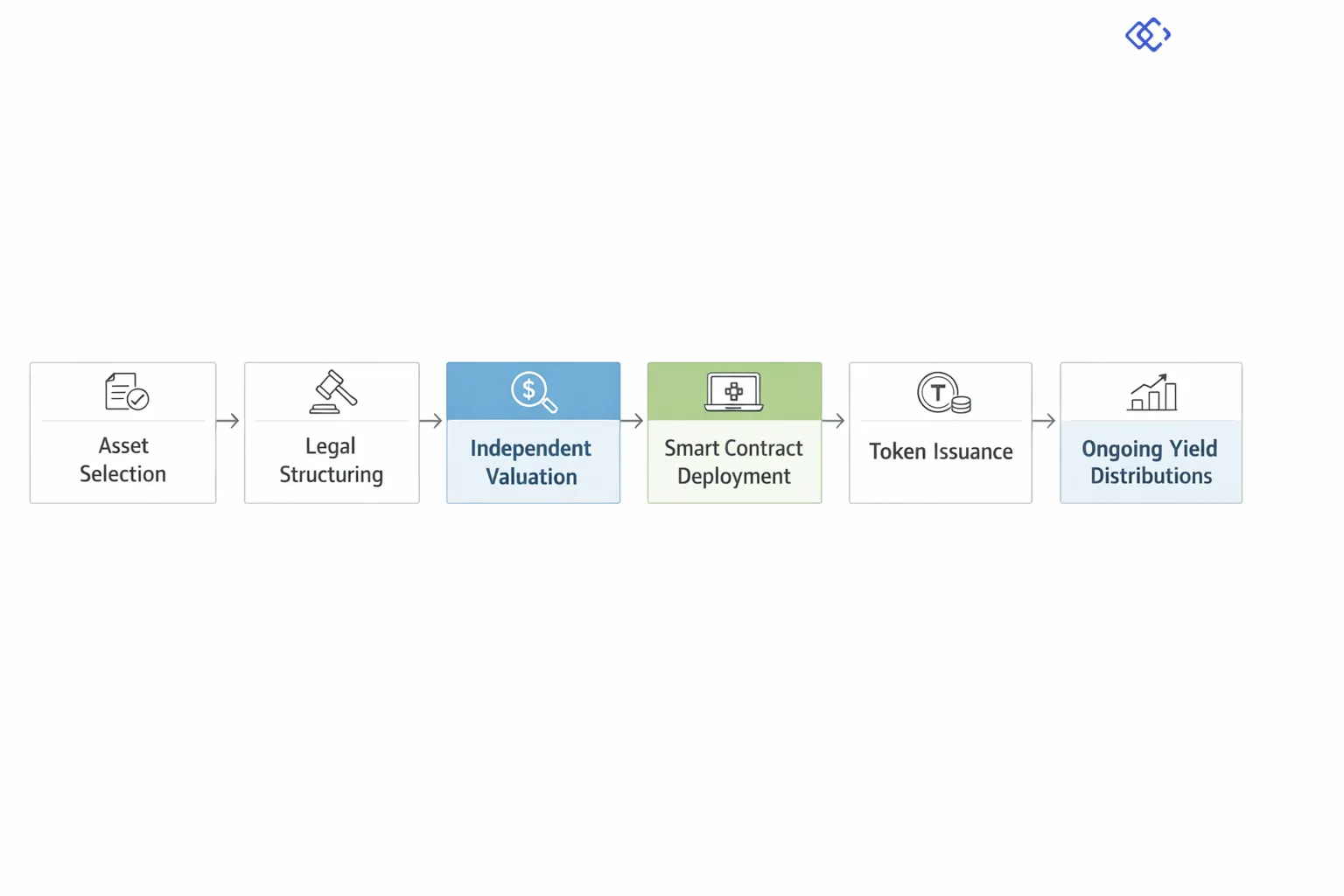
Converting a physical asset into tokens follows a clear sequence. First, a legal entity wraps the asset in a compliant structure. Next, a smart contract defines the token’s rights and obligations precisely. Moreover, an independent valuation confirms the asset’s fair market worth. Finally, the platform distributes tokens to verified investors. Each step adds transparency and auditability that traditional ownership models rarely provide.
Calculating Real World Asset Tokenization ROI
Understanding real world asset tokenization ROI means examining multiple return streams simultaneously. Investors typically earn through asset appreciation, yield distributions, and secondary market trading gains. However, the specific combination varies widely depending on the asset class and platform structure chosen.
Research published by the World Economic Forum projects tokenized assets could reach a market size of $16 trillion by 2030. Consequently, early participants stand to benefit from both asset value growth and rapidly increasing platform liquidity.
Key ROI Drivers in Tokenized Assets
Several factors directly influence returns from tokenized investments:
- Yield distributions: Rental income, interest payments, or revenue shares paid automatically via smart contracts.
- Capital appreciation: Growth in the underlying asset’s market value over the holding period.
- Liquidity premiums: Tradable tokens can command higher prices than illiquid traditional equivalents.
- Reduced fees: Eliminating brokers, custodians, and paperwork cuts costs significantly.
Additionally, fractional ownership allows investors to diversify across multiple asset types simultaneously. Therefore, a single investor might hold tokens in commercial real estate, fine art, and infrastructure bonds at once. This diversification itself reduces portfolio risk while maintaining strong overall returns.
Cost Efficiency and Net Returns
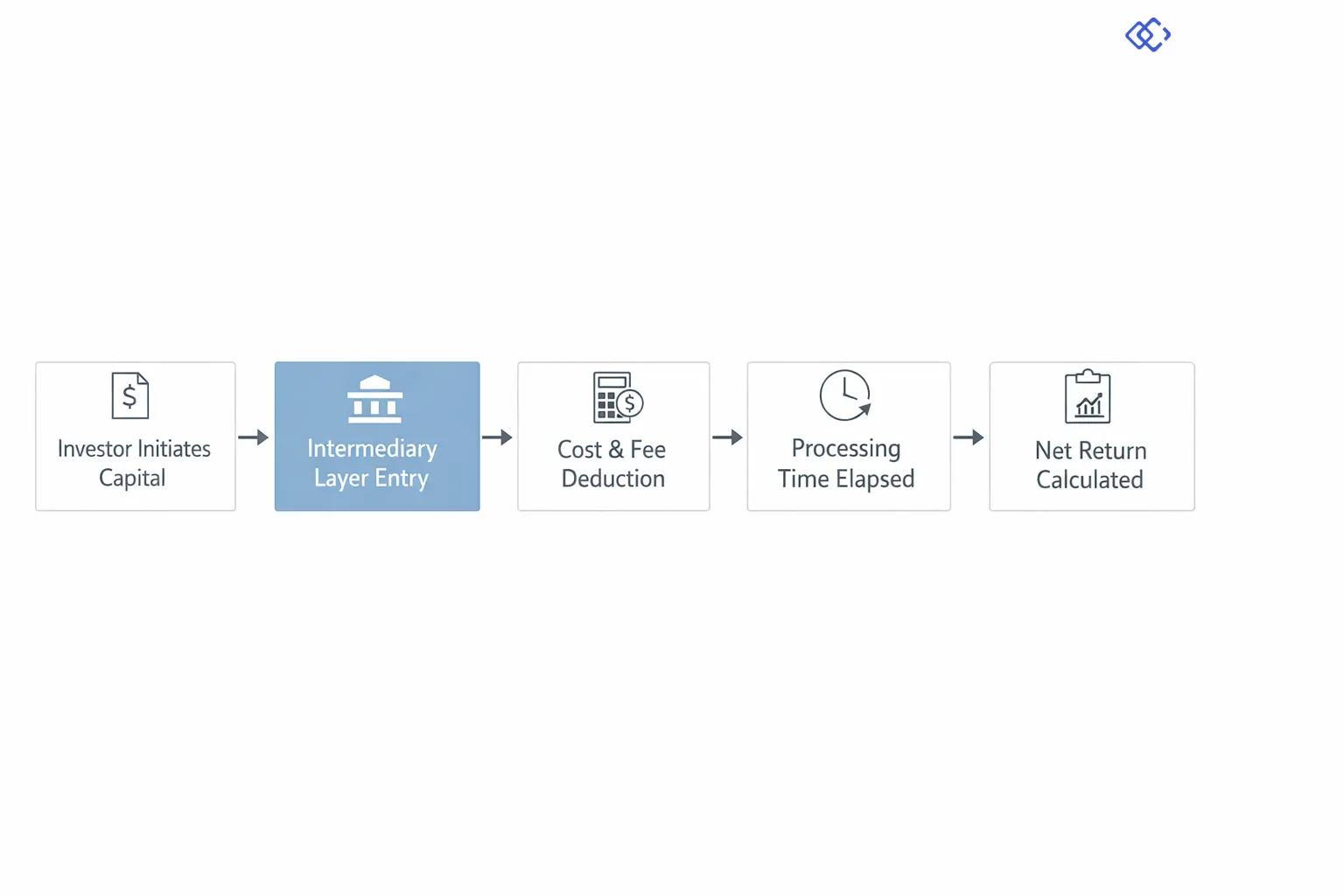
Traditional asset investment carries heavy overhead. Legal fees, management costs, and intermediary commissions erode gross returns substantially. Tokenization, however, automates many of these functions through smart contracts. Moreover, distributions execute instantly, removing delays and administrative drag. Therefore, net ROI improves even when gross asset yields remain constant — a critical advantage for long-term investors.
Real World Examples of Tokenization Returns
Several platforms already deliver measurable ROI from tokenized assets. Real estate tokenization platforms report net yields ranging from 6% to 12% annually on select properties. Furthermore, tokenized U.S. Treasury products have attracted billions in capital, offering stable, transparent returns backed by blockchain-level auditability. Learn more in our guide to real world asset platforms.
Real Estate: The Leading Tokenized Asset Class
Real estate remains the dominant category in today’s tokenization market. Investors earn rental yields distributed monthly or quarterly via smart contracts without manual intervention. Moreover, fractional ownership lowers entry points to as little as $50 on some platforms. Consequently, retail investors access institutional-grade property returns for the first time in history. Analysis from the Bank for International Settlements further highlights growing institutional appetite for this model.
Risks That Can Affect Tokenization ROI
No investment comes without risk, and tokenized assets are no exception. Regulatory uncertainty remains the largest challenge for investors today. Governments worldwide still debate how to classify and tax tokenized securities properly. Additionally, smart contract vulnerabilities can expose investor funds to technical exploits. Therefore, rigorous due diligence on platform security is essential before committing any capital.
Liquidity risk also deserves careful consideration. However, secondary markets for tokenized assets are maturing rapidly. Furthermore, as adoption grows, bid-ask spreads narrow and exit options improve meaningfully. Investors should nevertheless factor in potential lock-up periods when projecting expected real world asset tokenization ROI.
How to Maximize Your Tokenization Returns
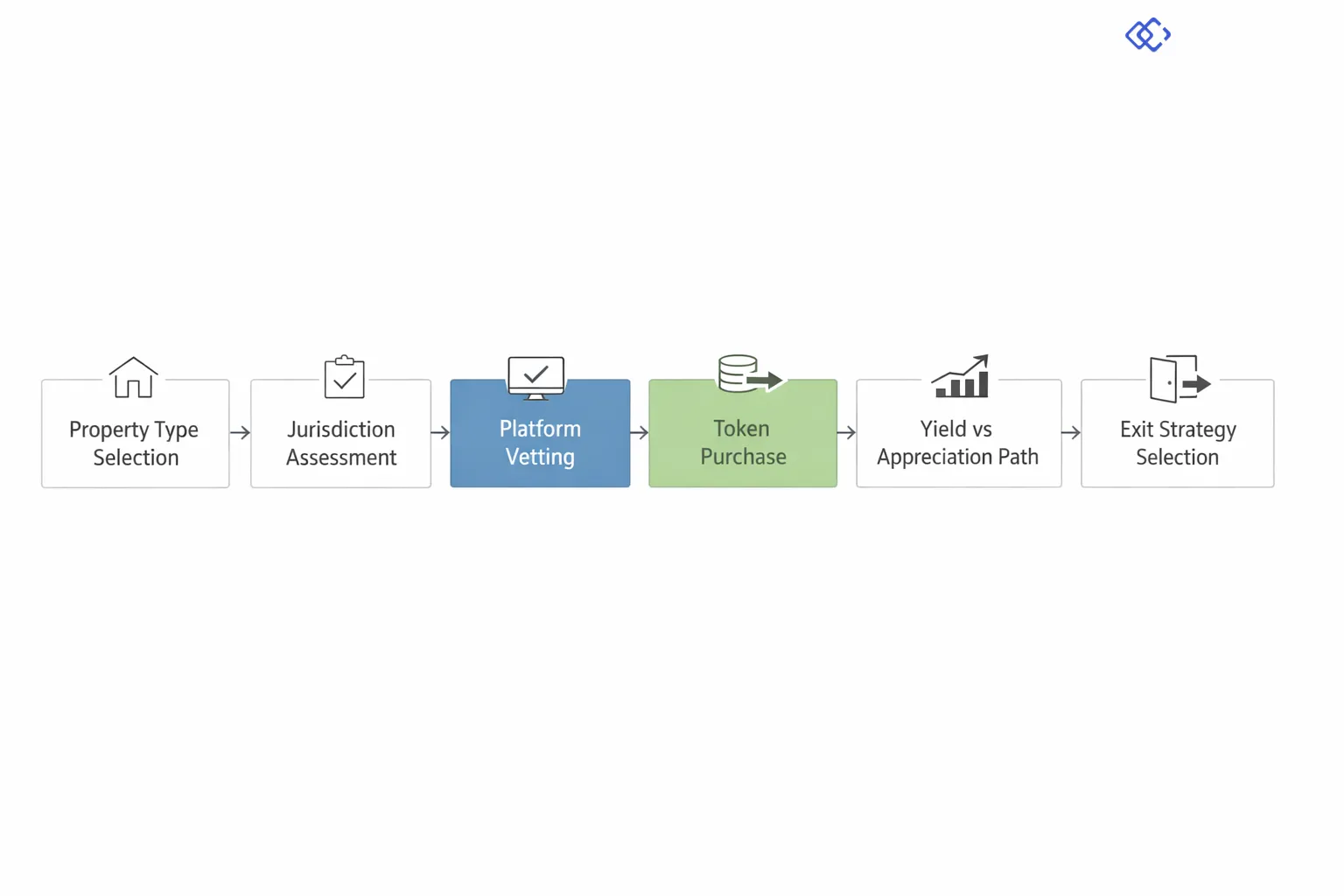
Maximizing returns requires a deliberate, informed strategy. First, diversify across multiple asset classes and platforms to spread risk effectively. Second, prioritize regulated platforms with transparent, low fee structures. Third, reinvest distributions consistently to compound gains over time. Additionally, monitor secondary market conditions actively to capture liquidity premiums as they arise.
Furthermore, staying informed about regulatory changes in your jurisdiction protects long-term returns from unexpected disruption. Explore our detailed tokenization investment strategy guide for a step-by-step approach to building a high-performing tokenized portfolio.
Real world asset tokenization ROI continues to strengthen as infrastructure matures and institutional adoption accelerates. Therefore, investors who build positions now stand to capture the greatest compounding upside. The combination of yield, appreciation, cost efficiency, and diversification makes tokenized assets one of the most compelling opportunities available in today’s financial landscape.
