
The financial world is evolving at an extraordinary pace. Institutional DeFi platforms are reshaping how banks, hedge funds, and asset managers engage with decentralized finance. Moreover, these platforms bridge the gap between legacy financial infrastructure and blockchain-powered ecosystems. Institutions can now access liquidity pools, lending protocols, and yield strategies — all with enterprise-grade compliance tools built in.
The Rise of Institutional DeFi Platforms
Traditional finance has long viewed DeFi with significant caution. However, shifting market dynamics have accelerated adoption among large institutions considerably. Regulatory clarity in key jurisdictions has also played a decisive role. Furthermore, the promise of higher yields and 24/7 liquidity makes DeFi especially attractive for institutional treasury management teams.
Institutional capital flowing into DeFi has reached tens of billions of dollars in recent years. Consequently, major players like BlackRock and Fidelity have begun exploring tokenized assets and on-chain settlement. Additionally, research from the Bank for International Settlements confirms that institutions are increasingly integrating blockchain rails into their core operations.
Why Traditional Finance Is Paying Attention
DeFi offers something legacy systems struggle to replicate. Specifically, it delivers programmable, transparent, and highly efficient financial services. Therefore, institutions gain real efficiency by automating processes that previously required multiple intermediaries. Additionally, smart contracts reduce settlement times from days to mere seconds.
Furthermore, decentralized lending protocols allow institutions to deploy idle capital far more productively. They earn yield around the clock without relying on traditional counterparties. However, institutions require platforms that meet strict compliance requirements. This demand has consequently driven an entirely new category of enterprise-focused DeFi infrastructure.
Key Features of Top Institutional DeFi Platforms
Not all DeFi platforms serve institutional needs equally. Therefore, understanding distinguishing features helps decision-makers choose wisely. The best institutional DeFi platforms combine open blockchain architecture with robust enterprise controls that satisfy regulatory demands.
Compliance and KYC Integration
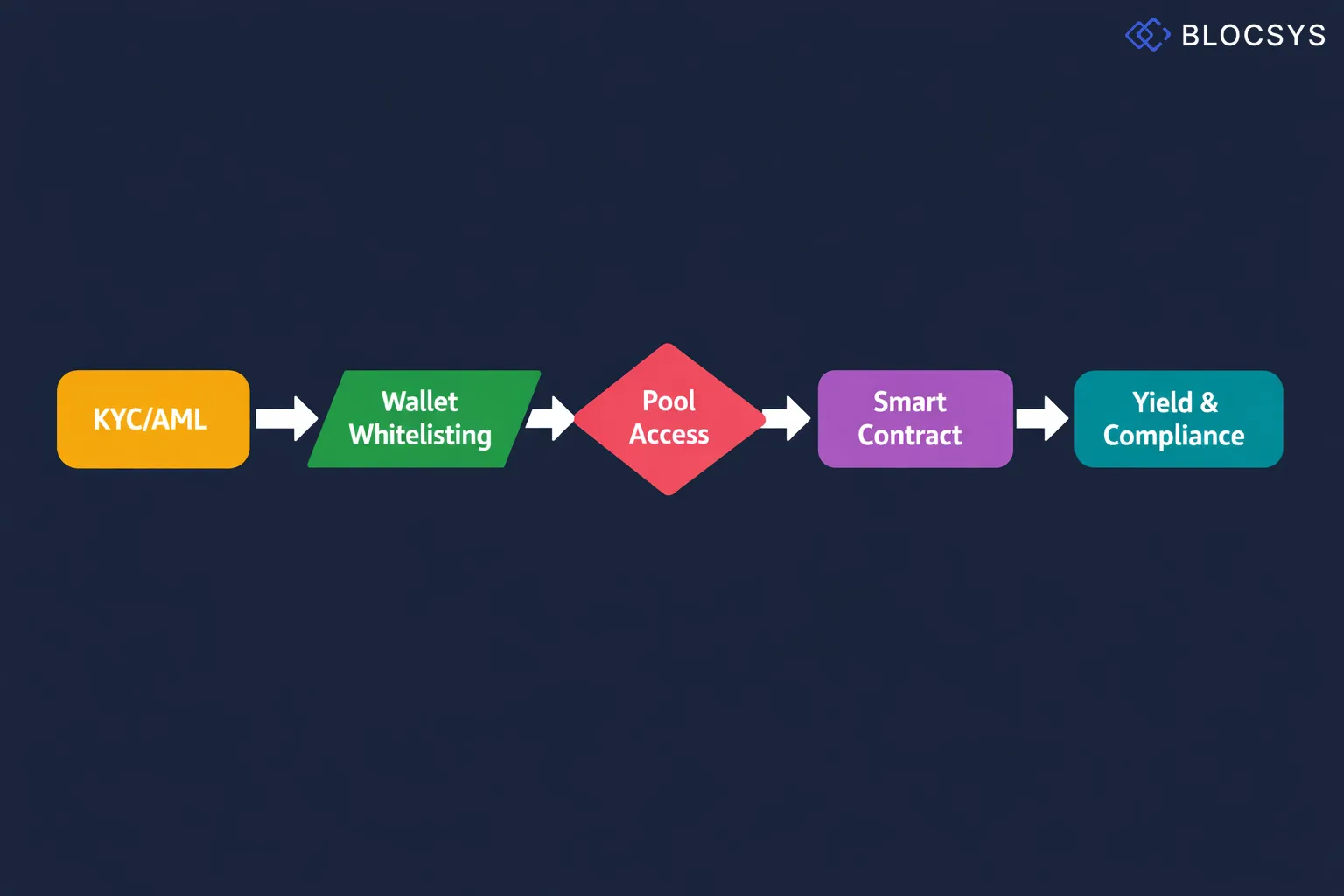
Compliance sits at the core of every institutional decision. Leading platforms integrate KYC, AML, and sanctions screening directly into on-chain workflows. Consequently, institutions participate in permissioned liquidity pools that restrict access to verified counterparties only. Moreover, platforms like Aave have pioneered permissioned DeFi liquidity markets designed specifically for institutional participants.
Additionally, robust audit trails and real-time reporting tools help compliance teams meet regulatory obligations efficiently. These features transform raw blockchain data into structured, auditor-friendly reports. Therefore, institutions spend far less time on manual reconciliation and more time on strategic capital deployment.
Liquidity and Risk Management
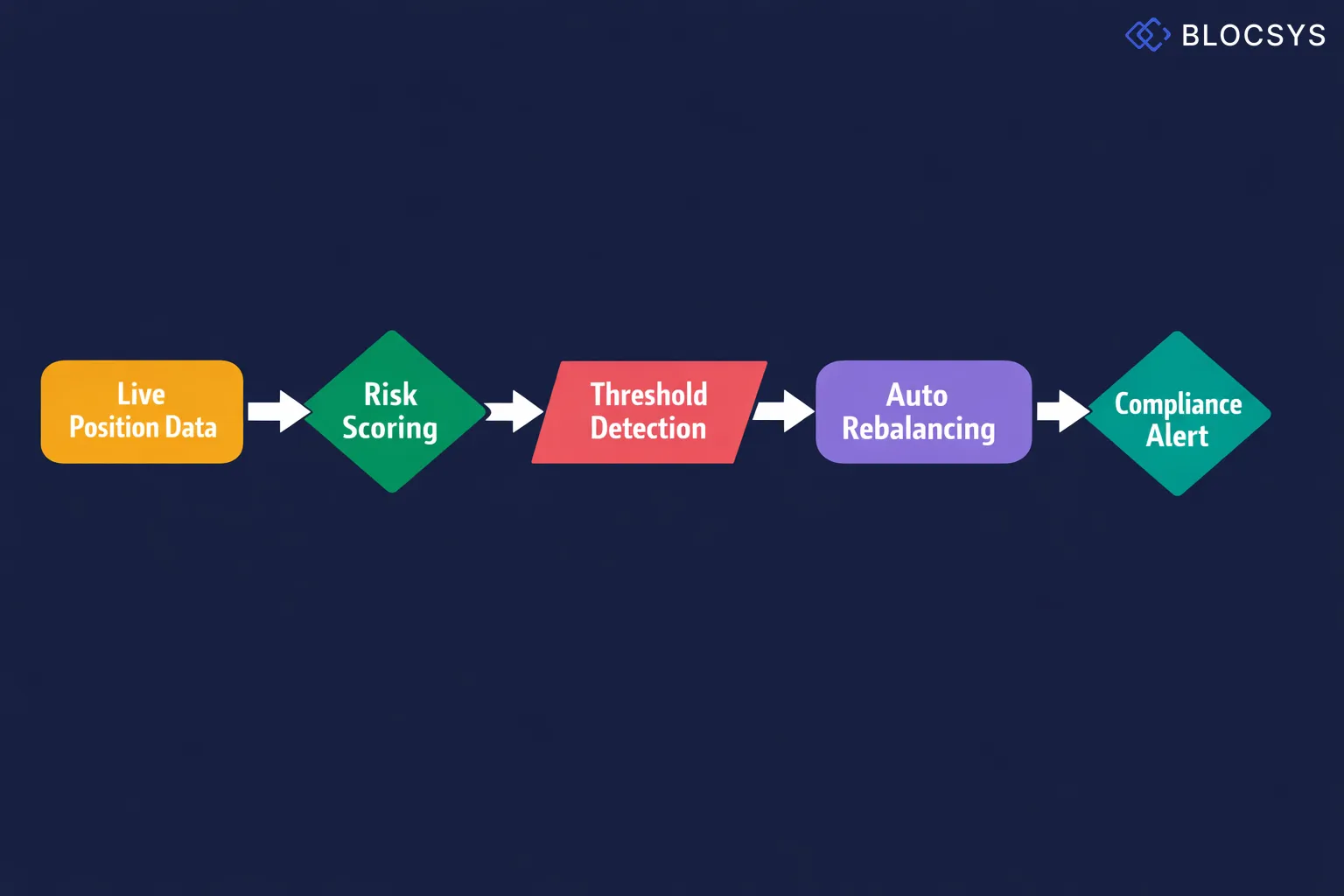
Deep liquidity is non-negotiable for institutional market participants. Furthermore, sophisticated risk management tools must accompany that liquidity. Top platforms offer real-time exposure monitoring, automated rebalancing, and smart contract insurance integrations. Consequently, institutions manage position risk dynamically across multiple protocols simultaneously.
Additionally, oracle reliability directly impacts pricing accuracy across DeFi markets. Therefore, leading institutional platforms integrate with battle-tested oracle networks to ensure consistent data integrity. This approach reduces the risk of price manipulation and flash loan exploits significantly. Moreover, segregated custody solutions ensure institutional assets remain secure even during periods of acute market stress.
Leading Institutional DeFi Platforms to Watch in 2026
Several platforms have emerged as clear leaders in this space. Fireblocks provides institutional-grade digital asset infrastructure with deep DeFi protocol integrations. Similarly, Maple Finance enables institutional lending with transparent on-chain credit assessments. Furthermore, Centrifuge focuses on tokenizing real-world assets, giving institutions access to yield backed by tangible collateral.
Additionally, Ondo Finance has gained considerable traction by tokenizing US Treasuries and money market funds. This approach offers institutions familiar yield profiles combined with blockchain-based settlement efficiency. Consequently, capital markets participants find a comfortable entry point into DeFi without abandoning traditional risk frameworks. Explore our guide to DeFi yield strategies to understand how institutions are maximizing returns across these platforms.
How to Choose the Right Platform
Choosing the right platform requires careful evaluation across several critical dimensions. First, institutions should thoroughly assess each platform’s regulatory status and compliance infrastructure. Moreover, smart contract audit history and security track record are strong indicators of platform reliability. Additionally, consider whether the platform supports multi-chain operations or remains limited to a single network.
Furthermore, examine the platform’s liquidity depth and counterparty quality before committing capital. Shallow liquidity creates costly slippage and increases execution costs significantly. Therefore, institutions with large capital allocations must prioritize platforms with established institutional counterparty networks. Explore our overview of institutional blockchain adoption to see how industry peers navigate these complex choices effectively.
Institutional DeFi platforms will continue evolving rapidly throughout 2026 and beyond. However, the foundational requirements of compliance, security, and deep liquidity remain constant across all environments. Therefore, institutions that invest time in rigorous platform evaluation will capture DeFi’s considerable long-term upside. According to Chainalysis DeFi research, early institutional movers consistently gain meaningful competitive advantages in emerging financial ecosystems. The future of finance is on-chain — and institutional DeFi platforms are leading the way.
