
The modular blockchain investment thesis has emerged as one of the most compelling frameworks in crypto venture capital today. Investors are increasingly recognizing that separating blockchain functions into specialized layers creates stronger networks, better scalability, and superior economic opportunities. Furthermore, understanding this thesis requires grasping both the underlying technical architecture and the capital dynamics currently reshaping the broader blockchain ecosystem.
Understanding the Modular Blockchain Architecture
Traditional blockchains handle everything within a single layer. They process transactions, reach consensus, settle finality, and store data all at once. This monolithic design, however, creates serious bottlenecks. Consequently, the entire network slows as user demand grows beyond manageable limits.
Modular blockchains break these functions apart deliberately. Each layer specializes in a single task and optimizes for it independently. Therefore, the overall system performs far more efficiently at scale. Projects like Celestia pioneered this approach by focusing exclusively on data availability rather than trying to do everything at once.
The Four Core Layers Explained
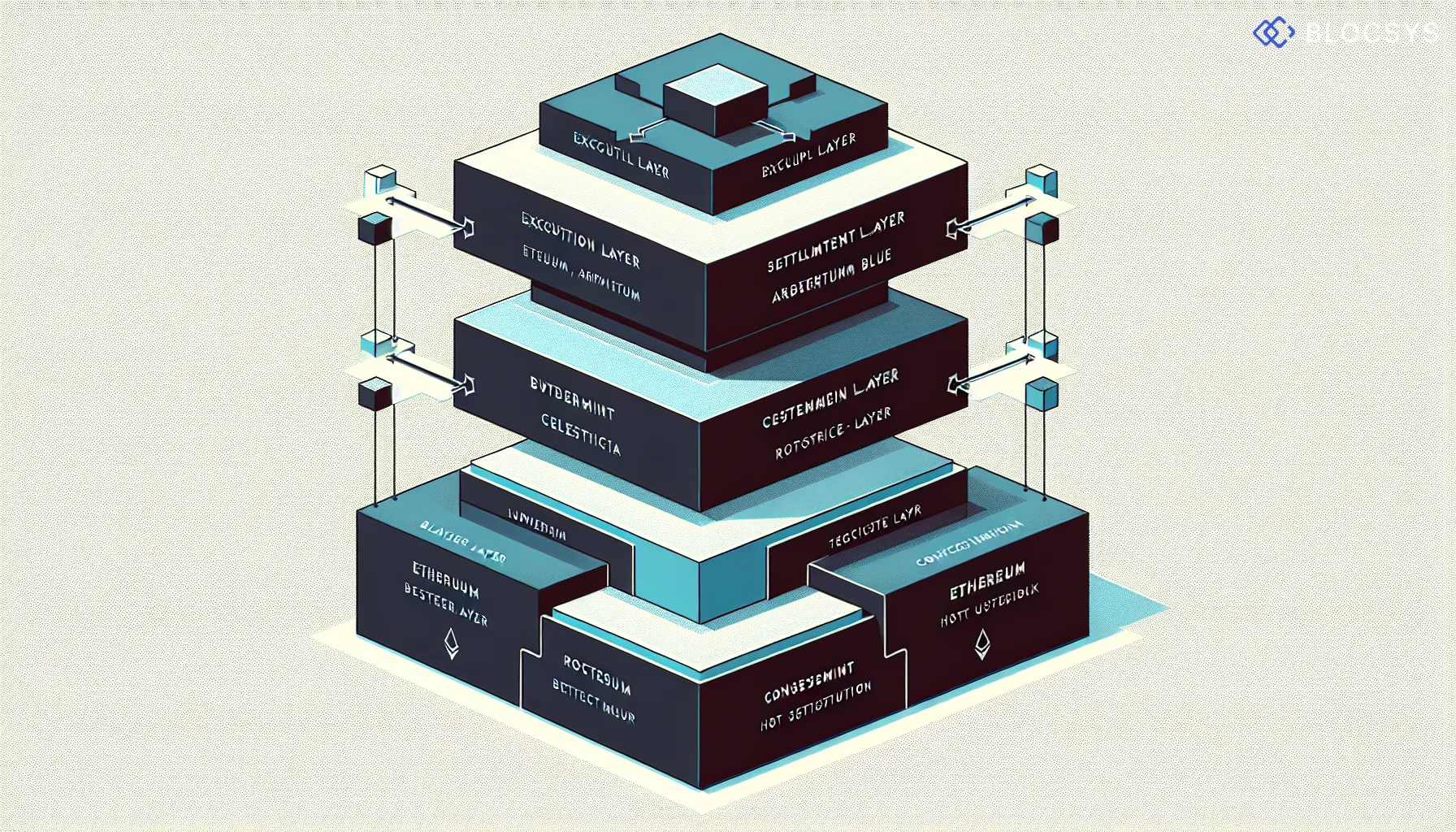
The modular stack typically consists of four distinct components. These are execution, settlement, consensus, and data availability. Each layer handles a specific function and communicates with others through defined interfaces. Moreover, developers can mix and match components from different projects to build highly customized blockchains efficiently.
-
Execution Layer: Processes transactions and runs smart contracts
-
Settlement Layer: Finalizes and verifies transaction validity across chains
-
Consensus Layer: Ensures agreement among distributed network participants
-
Data Availability Layer: Guarantees that transaction data remains publicly accessible
The Modular Blockchain Investment Thesis: Why Investors Are Paying Attention Now
The modular blockchain investment thesis is gaining serious momentum for several powerful reasons. First, the total addressable market for blockchain infrastructure remains enormous and largely untapped. Additionally, modular designs solve real technical problems that monolithic chains simply cannot address at meaningful scale without significant trade-offs.
Capital flows strongly confirm this trend. Leading venture firms have deployed hundreds of millions into modular infrastructure over the past two years. Furthermore, a16z Crypto has publicly outlined the infrastructure-focused bet underpinning much of this accelerating investment activity across the sector.
Market Timing and Capital Flows
Timing matters enormously in any investment thesis. The modular blockchain sector is currently in its critical infrastructure build-out phase. Therefore, early-stage investments carry higher risk but also the greatest potential upside for patient investors. Moreover, the competitive landscape remains fragmented enough for multiple strong winners to emerge across different layers of the stack.
Institutional interest is clearly accelerating across the board. Family offices, hedge funds, and even traditional asset managers are actively exploring modular blockchain exposure. Additionally, the rise of rollup-as-a-service platforms lowers barriers for new project entrants, expanding the overall ecosystem considerably. To understand how this connects to broader portfolio construction, explore our guide on crypto portfolio diversification for digital assets.
Key Investment Opportunities Across the Modular Stack
Investors can access the modular ecosystem through several distinct entry points. Each layer of the stack presents a unique risk-reward profile worth analyzing separately. Consequently, portfolio construction across multiple layers can provide both thematic diversification and concentrated exposure to the broader thesis simultaneously.
Data availability layers attract particularly significant attention right now. Projects in this space enable cheap, scalable storage for rollups and other execution environments. Moreover, the data availability market remains early-stage, meaning current valuations may better reflect present rather than future opportunity. Ethereum’s official scaling documentation provides excellent context for understanding how these layers interact technically.
Evaluating Projects Across Layers
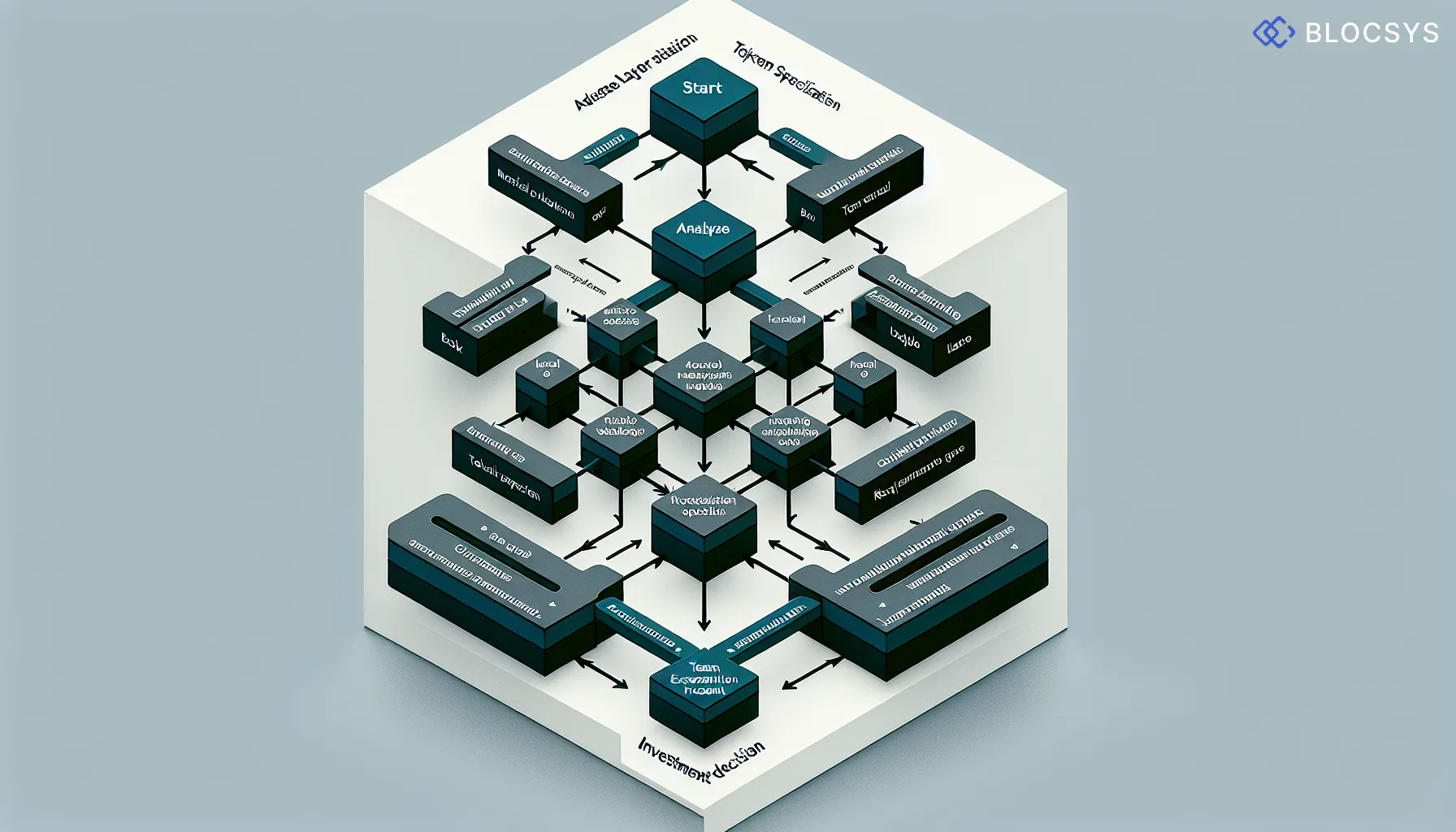
Strong investment candidates consistently share common characteristics. They demonstrate clear technical differentiation, growing developer adoption, and sustainable token economic models built for long-term value accrual. Additionally, the best teams communicate a coherent product roadmap and show evidence of iterative, measurable progress over time. Investors should apply rigorous diligence at each individual layer rather than treating the entire modular stack as a single undifferentiated bet.
Network effects matter enormously within this space. A data availability layer grows more valuable as more rollups actively plug into it. Similarly, a settlement layer becomes increasingly attractive as liquidity concentrates there organically. Therefore, identifying which projects are winning developer mindshare early represents a decisive analytical and competitive advantage. For deeper ecosystem context, see our analysis of layer-2 blockchain investing strategies and opportunities.
Risks and Considerations for Modular Blockchain Investors
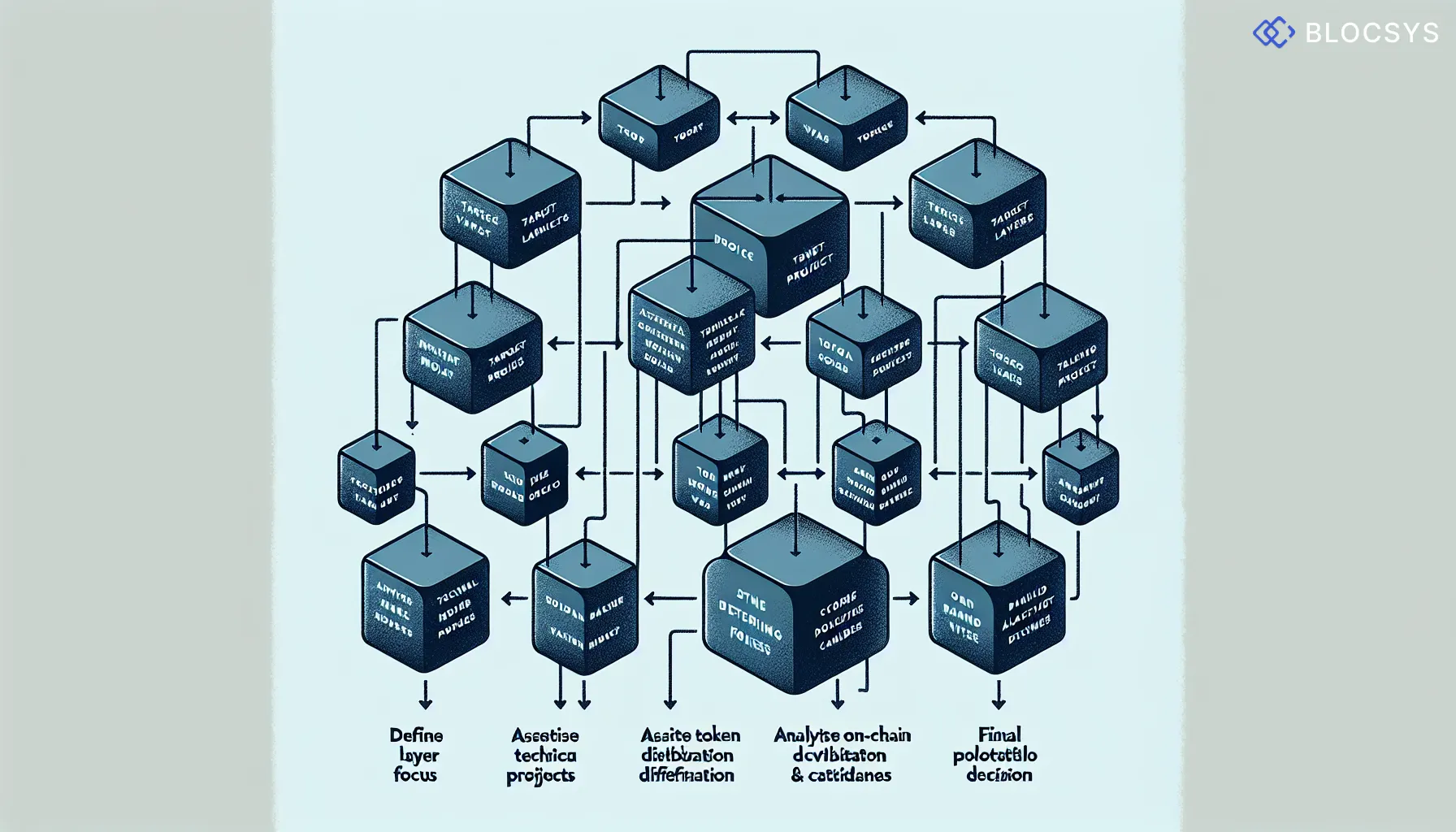
Every investment thesis carries real risks, and the modular blockchain thesis is certainly no exception. Technical complexity creates meaningful challenges for thorough due diligence. Furthermore, achieving reliable interoperability between separate modules remains an unsolved engineering problem across many current implementations.
Regulatory uncertainty also looms heavily over the sector. Token classification, securities law interpretation, and jurisdictional questions remain largely unresolved in most major markets. Additionally, the rapid pace of technological change means today’s market leaders can face sudden disruption from better-engineered alternatives. However, disciplined investors who actively monitor the competitive landscape and developer sentiment can manage these evolving risks more effectively than passive holders.
Concentration risk also deserves careful, deliberate attention from any serious allocator. Many modular projects currently rely on Ethereum as their primary settlement layer. Consequently, systemic risks within Ethereum could simultaneously affect the entire modular ecosystem in unexpected ways. Moreover, liquidity in smaller modular tokens remains relatively thin, creating significant entry and exit challenges for investors managing larger position sizes.
