

Real estate has long been one of the world’s most stable investment classes. However, tokenized real estate blockchain investment is rapidly reshaping how everyday investors access property markets globally. This innovative approach converts physical assets into digital tokens on a distributed ledger. Consequently, it removes traditional barriers like high capital requirements and geographic restrictions. Moreover, blockchain technology adds unprecedented transparency and efficiency to property transactions.
How Tokenized Real Estate Blockchain Investment Works
Tokenization divides a real estate asset into thousands of digital tokens. Each token represents a fractional ownership stake in a property. Therefore, an investor can purchase a small share of a commercial building or residential complex. Furthermore, these tokens trade on blockchain-based platforms, offering flexibility that traditional real estate cannot match.
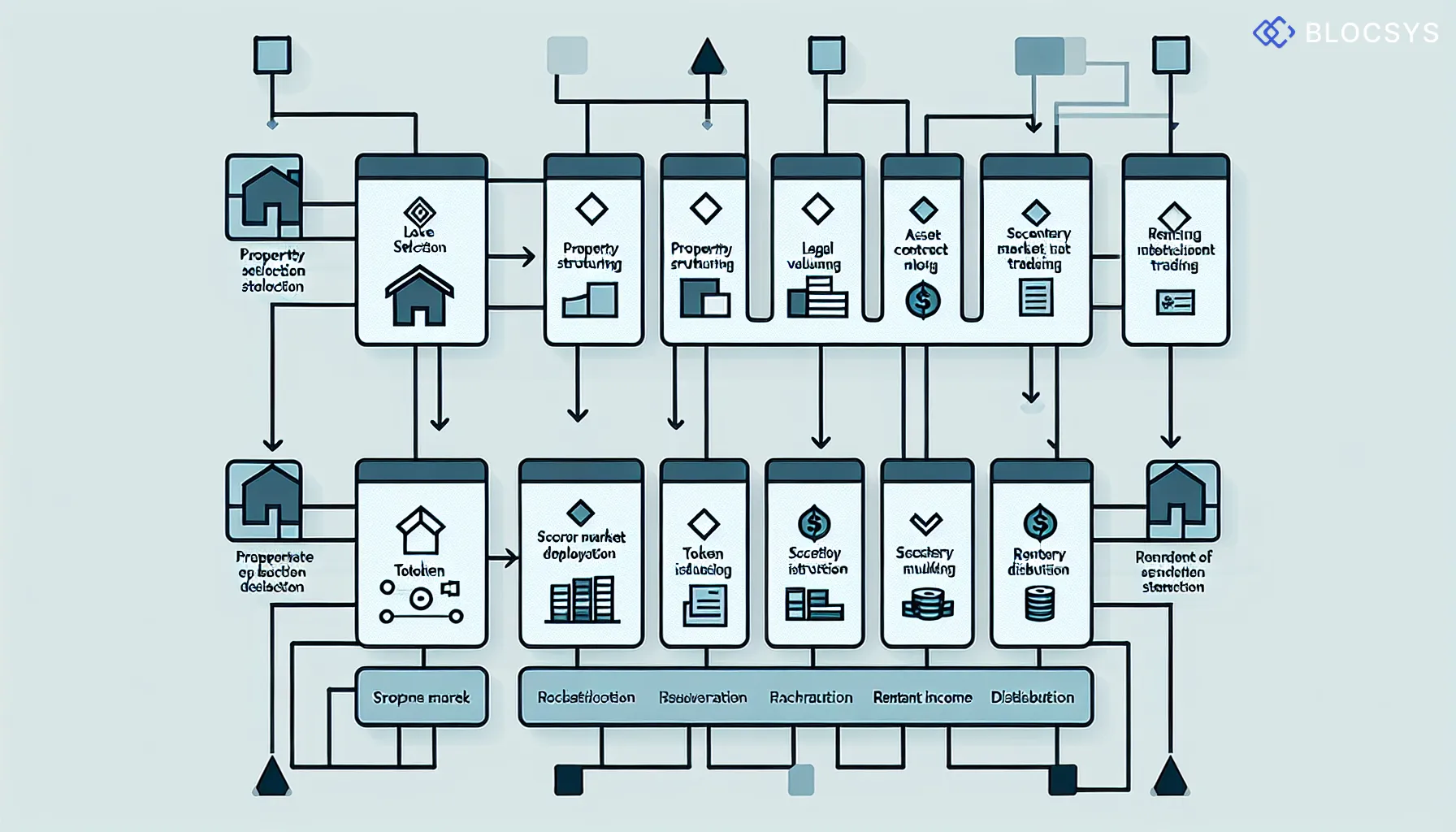
The process begins when a property owner partners with a tokenization platform. Together, they conduct a valuation and establish the legal framework. Additionally, they deploy a smart contract that governs token issuance and investor distributions. This contract automatically enforces ownership rules without human intervention.
The Role of Smart Contracts
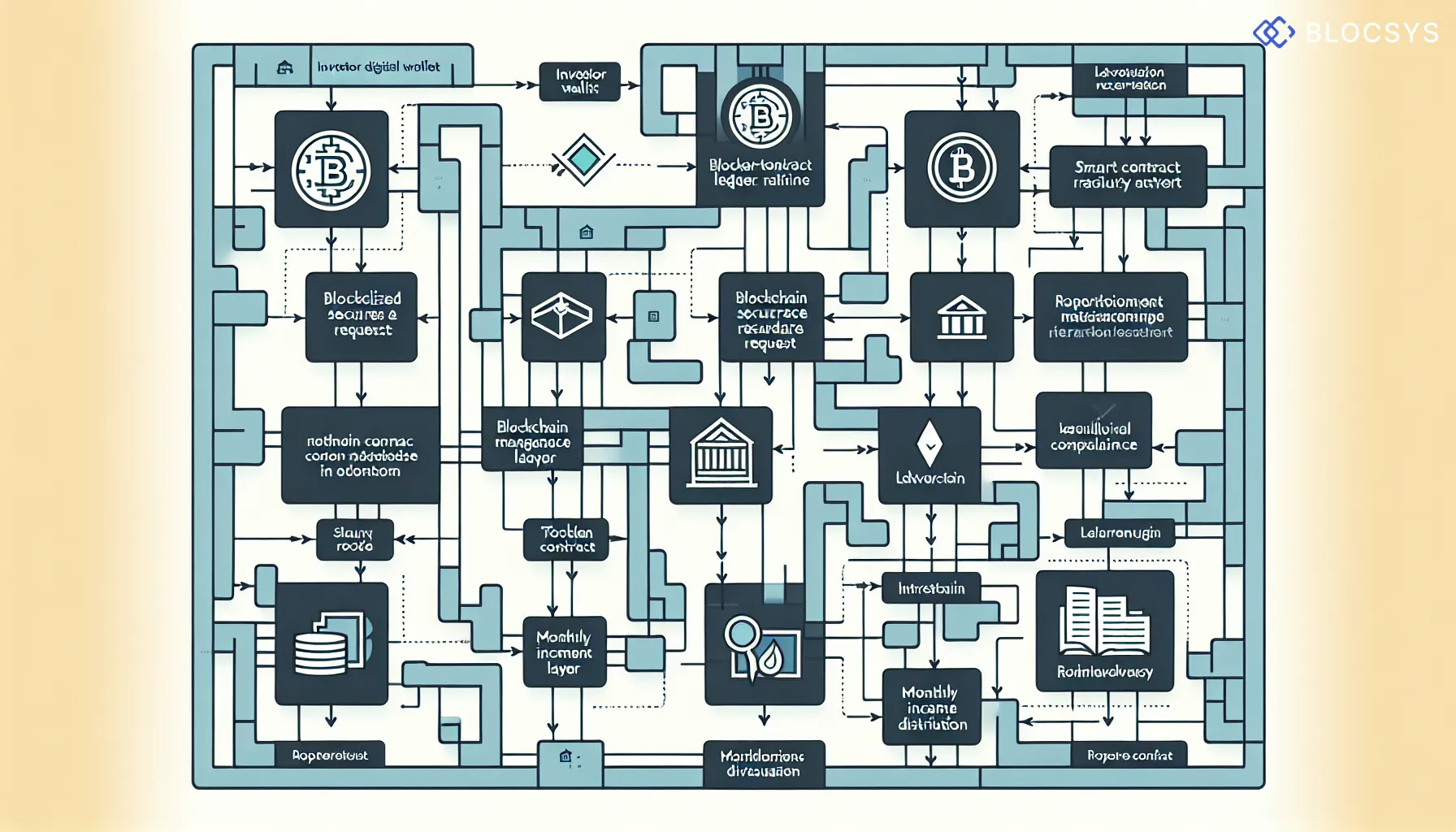
Smart contracts serve as the engine behind blockchain real estate tokenization. They execute automatically when predefined conditions occur. For example, they distribute rental income to token holders each month. Furthermore, smart contracts reduce reliance on lawyers, brokers, and banks. Consequently, transaction costs drop significantly for all parties involved.
Moreover, smart contracts eliminate human error from the transaction process. Every action records itself permanently on the blockchain. Additionally, this creates a transparent and tamper-proof audit trail. Therefore, investors can verify ownership and income histories without relying on intermediaries.
Key Benefits of Blockchain-Based Real Estate Investment
Blockchain-based real estate tokenization offers several compelling advantages over traditional property investment. First, it dramatically lowers the investment threshold for individuals. Therefore, people with limited capital can now participate in high-value real estate deals. Additionally, it provides geographic freedom, allowing global investors to access markets previously out of reach.
Fractional Ownership and Liquidity
Traditional real estate investments require large sums of upfront capital. However, tokenized assets allow fractional ownership at a much lower cost. Consequently, a $10 million office building can attract thousands of small investors simultaneously. Furthermore, tokens trade on digital exchanges, providing liquidity that physical property traditionally lacks.
Liquidity is a critical advantage in any investment class. Platforms like RealT and Securitize already offer tokenized real estate opportunities to global investors. Moreover, they provide secondary markets where token holders can trade freely. Therefore, investors can exit positions far more easily than selling an entire property outright.
Transparency and Security
Blockchain technology records every transaction on an immutable public ledger. Therefore, all ownership records remain transparent and fully verifiable. Investors can audit transaction histories without involving third parties. Furthermore, cryptographic security protects these records from tampering or fraud.
This transparency significantly builds investor confidence. Additionally, regulatory compliance becomes easier when all records exist on-chain. Consequently, both investors and regulators benefit from improved accountability. Moreover, the decentralized nature of blockchain makes the system resilient against single points of failure.
Getting Started with Tokenized Real Estate Investment
Beginning your journey requires careful research and solid preparation. First, you must understand the legal framework governing tokenized assets in your jurisdiction. Additionally, you should evaluate the credibility and track record of the platform you choose. Learn how to evaluate investment platforms before committing any capital.
Choosing the Right Platform
Several platforms now facilitate tokenized real estate transactions worldwide. However, not all platforms offer the same security or regulatory compliance standards. Therefore, always verify that a platform holds relevant licenses and follows KYC and AML procedures. Furthermore, examine the underlying assets and their historical performance carefully.
Additionally, consider the fee structure each platform charges investors. Some platforms deduct a percentage from rental income distributions. Consequently, high fees can significantly erode your returns over time. Moreover, prioritize platforms with active secondary markets to ensure you can exit positions when needed. You can also explore our guide on blockchain investment strategies for broader insights.
Risks to Consider
Like any investment, tokenized real estate carries inherent risks. Regulatory uncertainty remains one of the biggest challenges facing this market today. Furthermore, technology risks such as smart contract vulnerabilities can potentially compromise investor funds. Therefore, always diversify your portfolio and invest only what you can afford to lose.
Market volatility also affects token prices, particularly in early-stage projects. However, the underlying real estate asset provides a stabilizing value foundation. Additionally, conducting thorough due diligence before purchasing any token is essential. According to the World Economic Forum, the tokenized asset market could reach trillions of dollars within the next decade. Consequently, informed investors who act thoughtfully stand to benefit most from this emerging opportunity.
