

The intersection of decentralized finance and crowd-sourced intelligence has never been more exciting. A prediction market oracle blockchain system merges real-world data verification with trustless smart contracts, enabling anyone to forecast future events without relying on a central authority. Furthermore, this technology creates transparent, tamper-resistant markets that settle automatically when outcomes are confirmed. Understanding how these systems operate is increasingly important for investors, developers, and anyone curious about the future of decentralized forecasting.
How Prediction Market Oracle Blockchain Systems Work
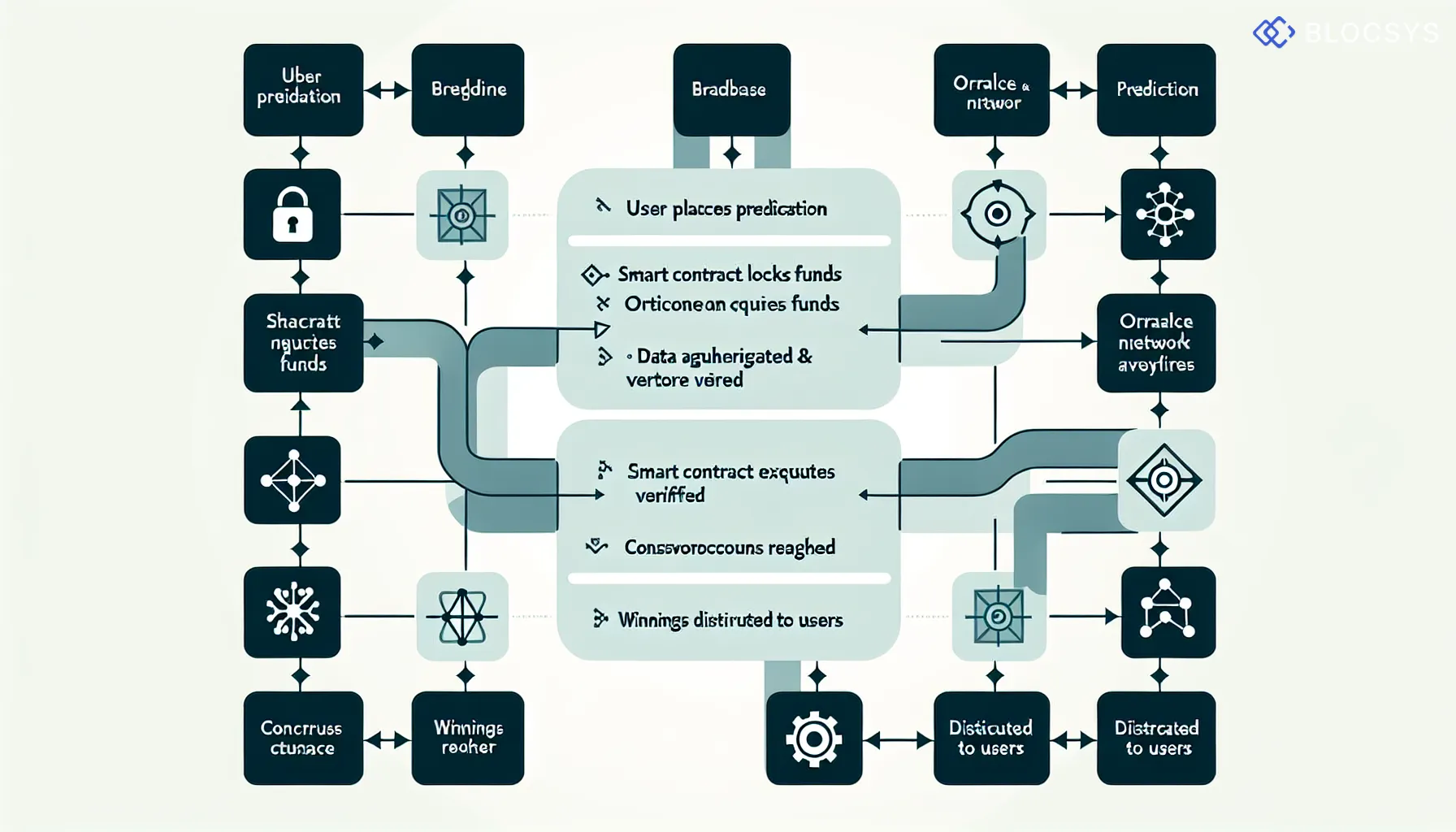
At their core, prediction markets let participants buy and sell outcome shares based on the probability of future events. However, blockchain-based versions add critical layers of security and transparency. Smart contracts hold funds in escrow and execute payouts automatically. Therefore, no central party can delay, manipulate, or withhold settlements.
The Role of Oracles in Smart Contracts
Oracles act as the essential bridge between a blockchain and the outside world. They deliver external data — such as election results, sports scores, or commodity prices — directly into smart contracts. Without accurate oracles, smart contracts cannot independently verify real-world outcomes. Moreover, a single corrupt data source can invalidate entire markets. Projects like Chainlink specialize in providing decentralized oracle infrastructure that dramatically reduces this risk.
Decentralized Data Feeds and Accuracy
Decentralized oracle networks aggregate information from multiple independent sources simultaneously. Consequently, no single provider can skew the outcome in their favor. Additionally, cryptographic proofs verify that data has not been altered during transmission. This multi-source design strengthens overall market integrity significantly. Therefore, participants can trade with far greater confidence in how their markets will ultimately settle.
Key Benefits of Combining Prediction Markets with Blockchain Oracles
Merging prediction markets with blockchain oracle infrastructure delivers several powerful advantages. Furthermore, these benefits extend well beyond simple wagering into genuine risk management and information discovery tools.
Transparency and Trust
Every transaction on a blockchain prediction market is permanently recorded on a public ledger. Therefore, any participant can audit bets, oracle data feeds, and payouts at any time. This openness eliminates the opacity common in traditional prediction platforms. Moreover, open-source smart contract code allows independent developers to verify market logic before committing real capital. Consequently, trust becomes a product of code rather than reputation.
Eliminating Centralized Control
Traditional prediction platforms rely on central operators who control funds and determine outcomes. However, blockchain systems replace these intermediaries with self-executing smart contracts. Additionally, users retain custody of their assets until a market fully settles. Censorship becomes far more difficult to impose. This design fundamentally shifts power back to participants and reduces the risk of operator fraud or platform insolvency.
Real-World Applications of Prediction Market Oracle Blockchain
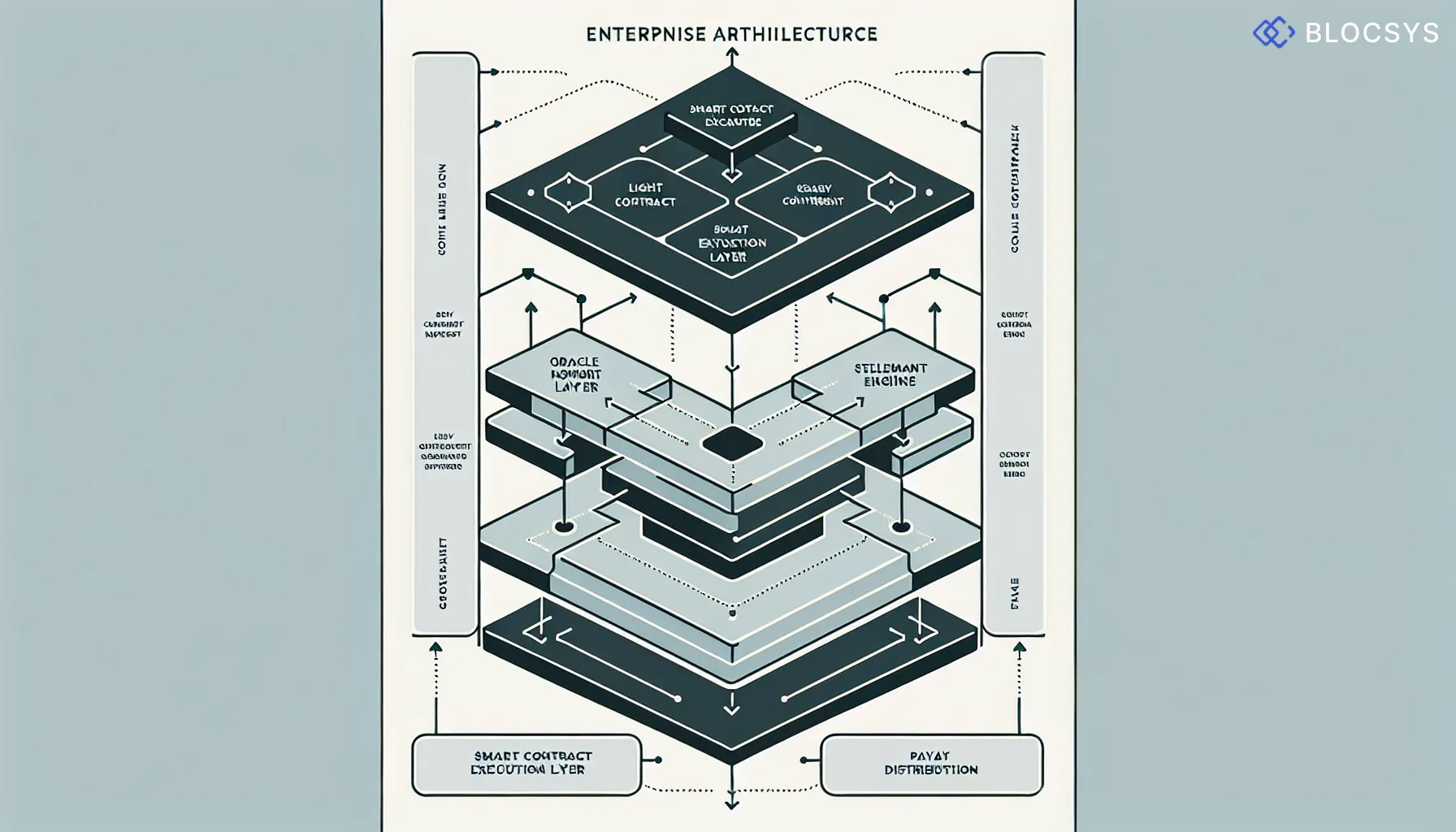
These systems already operate across a diverse range of industries and use cases. Platforms like Polymarket have demonstrated strong user adoption by offering markets on politics, macroeconomics, and global events. Moreover, enterprise-grade applications are emerging in supply chain risk forecasting and corporate hedging strategies.
Financial Forecasting and Risk Hedging
Traders actively use prediction markets to hedge against uncertain financial outcomes. For example, a business might purchase shares predicting rising commodity prices to offset real-world exposure. Furthermore, aggregate market prices serve as highly accurate real-time probability indicators. You can explore more about decentralized finance tools and how institutions are beginning to adopt these strategies at scale.
Political and Sports Markets
Election outcome markets have repeatedly proven more accurate than traditional polling methods. Additionally, sports prediction markets attract millions of participants globally, generating deep liquidity pools. Because oracles verify official results in real time, settlements complete quickly and transparently. Therefore, outcome disputes are far rarer than in conventional bookmaking environments, where centralized operators control the process.
Challenges and the Road Ahead
Despite impressive progress, prediction market oracle blockchain platforms still face significant obstacles. Regulatory uncertainty remains a pressing concern across many jurisdictions worldwide. Furthermore, oracle manipulation — often called the “oracle problem” — continues to pose a theoretical threat even within decentralized architectures.
However, developers are actively addressing these vulnerabilities with innovative solutions. Larger validator networks and advanced cryptographic techniques are making oracle attacks increasingly impractical. Moreover, regulatory clarity is slowly emerging in progressive jurisdictions, which may soon unlock major institutional participation. Read our guide on blockchain smart contract security to understand how leading projects defend against these attacks.
Additionally, layer-2 scaling solutions are dramatically reducing transaction fees for everyday users. Consequently, smaller participants can now engage without prohibitive costs. The future of prediction market oracle blockchain technology looks remarkably promising. As adoption accelerates, these decentralized platforms could ultimately become the global standard for transparent information markets and real-world forecasting.
