
The financial world is undergoing a profound transformation. RWA tokenization investment opportunities are reshaping how investors access traditionally illiquid assets. Furthermore, blockchain technology now enables anyone to own a fraction of real estate, commodities, or private credit. Consequently, this rapidly growing market is attracting serious attention from both retail and institutional investors alike.
Understanding RWA Tokenization
Real-world asset (RWA) tokenization converts ownership rights of physical or financial assets into digital tokens on a blockchain. Therefore, investors can buy, sell, or trade these tokens with far greater ease. Moreover, the process dramatically lowers barriers to entry for investments once exclusive to wealthy individuals and large institutions.
Traditional investments in assets like commercial real estate or fine art often require substantial capital commitments. However, tokenization breaks these assets into smaller, more affordable units. Additionally, smart contracts automate transactions, reducing reliance on intermediaries and cutting associated costs considerably.
What Are Real-World Assets?
Real-world assets span a broad spectrum of tangible and financial instruments. These assets include several key categories:
-
Real estate — residential, commercial, and industrial properties
-
Commodities — gold, silver, oil, and agricultural products
-
Private credit — loans and bonds issued outside public markets
-
Infrastructure — energy grids, bridges, and transport networks
-
Art and collectibles — high-value cultural and luxury assets
Each category presents unique investment potential. Furthermore, tokenization opens these markets to retail investors who previously lacked access. Therefore, the democratization of wealth-building is one of the most exciting developments in modern finance today.
Top RWA Tokenization Investment Opportunities Today
Several sectors are leading the charge in asset tokenization. Consequently, investors can now explore opportunities previously reserved for institutional players. Moreover, analysts project the global RWA tokenization market could reach trillions of dollars within the next decade, making early positioning particularly valuable.
Real Estate Tokenization
Real estate remains the largest and most mature sector in this space. Platforms like RealT allow investors to purchase fractional ownership in rental properties. Therefore, investors earn passive rental income proportional to their token holdings. Additionally, they gain property appreciation exposure without managing physical assets directly.
Moreover, tokenized real estate offers significantly improved liquidity over traditional property investment. Investors can trade tokens on secondary markets rather than waiting months for a sale to close. Furthermore, global participants gain access to markets they could not previously enter due to geographic or financial restrictions.
Tokenized Commodities and Precious Metals
Gold and silver tokenization represent another compelling opportunity. Companies like Paxos offer gold-backed tokens, where each token represents physical gold stored in secure vaults. Consequently, investors gain commodity exposure without the logistical burden of storage and transportation.
Additionally, tokenized commodities provide a natural hedge against inflation. Therefore, many investors integrate them into diversified portfolios for long-term stability. Furthermore, blockchain transparency ensures that backing assets remain independently verifiable and auditable at all times.
Private Credit and Fixed Income
Tokenized private credit is emerging as a high-yield investment frontier. Protocols like Maple Finance and Centrifuge connect institutional borrowers directly with on-chain lenders. Moreover, these platforms often deliver yields that exceed traditional fixed-income products. Consequently, yield-seeking investors are increasingly exploring this asset class as a meaningful alternative.
However, private credit carries higher risk than government bonds. Therefore, thorough due diligence is essential before committing any capital. Additionally, understanding the credit quality of underlying borrowers is critical to managing exposure. You can explore more about DeFi yield strategies to effectively complement your RWA portfolio.
How to Start Investing in Tokenized Assets
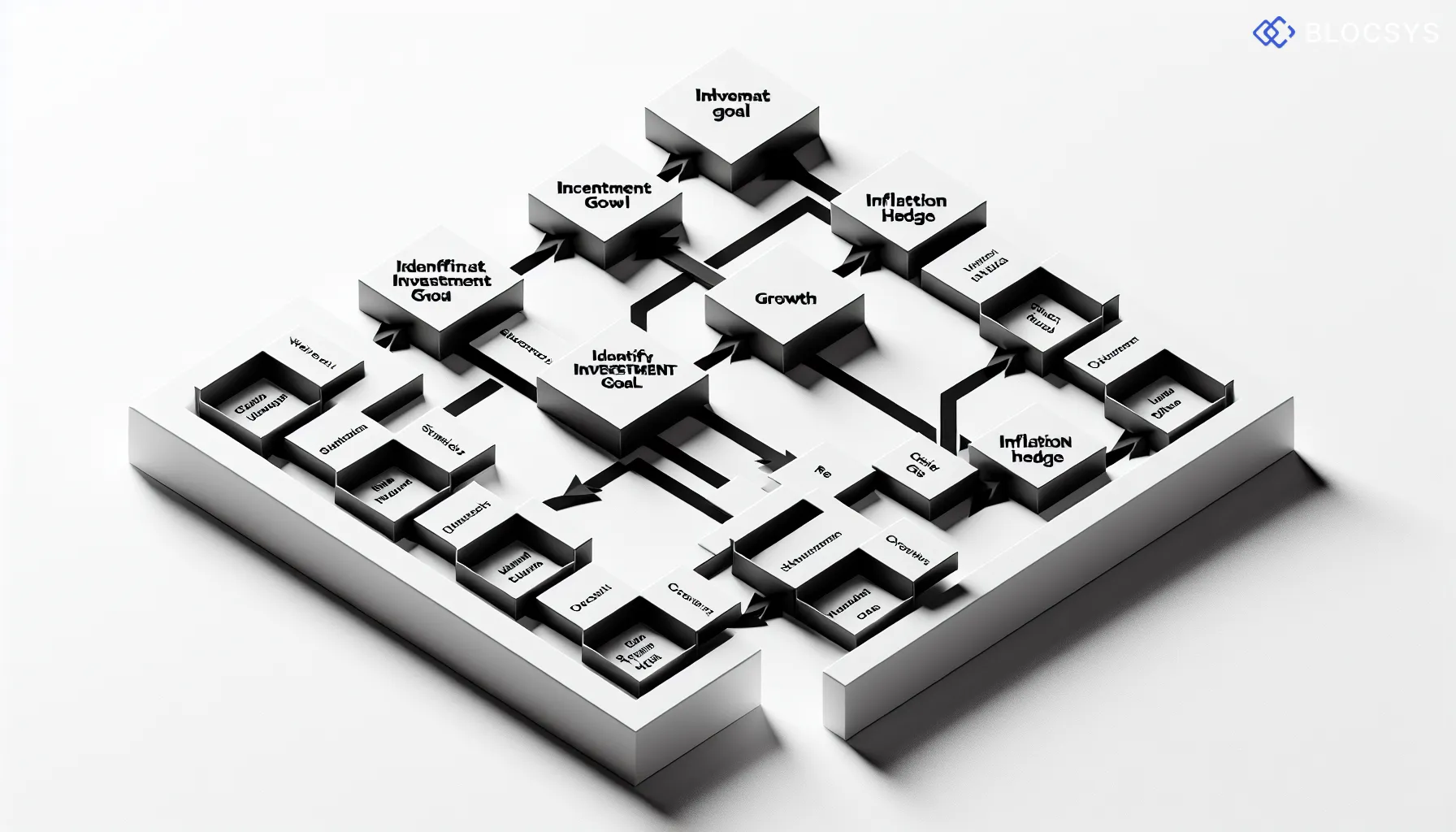
Getting started with tokenized asset investment requires a clear, structured approach. First, research reputable platforms that specialize in your preferred asset class. Furthermore, completing identity verification (KYC/AML) is mandatory on all regulated platforms. Therefore, preparing your documentation in advance speeds up onboarding considerably.
Key Considerations Before You Invest
Before committing funds, carefully evaluate the following factors:
-
Platform regulation — verify licensing and compliance status thoroughly
-
Asset liquidity — understand secondary market availability for your tokens
-
Smart contract audits — confirm independent security audits have been completed
-
Token structure — clarify whether tokens represent equity, debt, or revenue rights
Additionally, diversifying across multiple asset classes reduces concentration risk significantly. Moreover, staying informed about evolving regulations is critical, as global legal frameworks for tokenized assets continue to develop. Explore our guide on blockchain investment basics to build a stronger foundation before you invest.
Risks and the Road Ahead
Despite the excitement surrounding tokenized assets, investors must acknowledge real and meaningful risks. Regulatory uncertainty remains one of the biggest global challenges. However, major financial institutions are actively engaging with regulators to establish clearer, more supportive frameworks. Therefore, the legal environment for RWA tokenization is expected to improve significantly over the coming years.
Furthermore, technology risks such as smart contract vulnerabilities deserve serious consideration. Consequently, investing only in platforms with verified, third-party security audits is strongly advisable. Moreover, market liquidity for some tokenized assets remains limited compared to public equities or exchange-traded funds.
Nevertheless, the long-term outlook for this sector is overwhelmingly positive. Major banks, asset managers, and governments are actively exploring tokenization strategies. Therefore, investors who develop expertise in RWA tokenization today may find themselves strongly positioned as this transformative market continues to mature and expand.
