
The emergence of liquid restaking tokens yield strategies has transformed how DeFi investors approach capital efficiency. Moreover, these strategies allow participants to earn multiple yield streams from the same capital simultaneously. Consequently, understanding their mechanics can meaningfully enhance your portfolio returns in 2026 and beyond.
What Are Liquid Restaking Tokens?
Liquid restaking tokens (LRTs) are tokenized representations of restaked assets. Therefore, holders receive staking rewards while retaining the flexibility to use their tokens across DeFi protocols. Additionally, LRTs solve the liquidity problem that traditional staking creates for long-term capital holders.
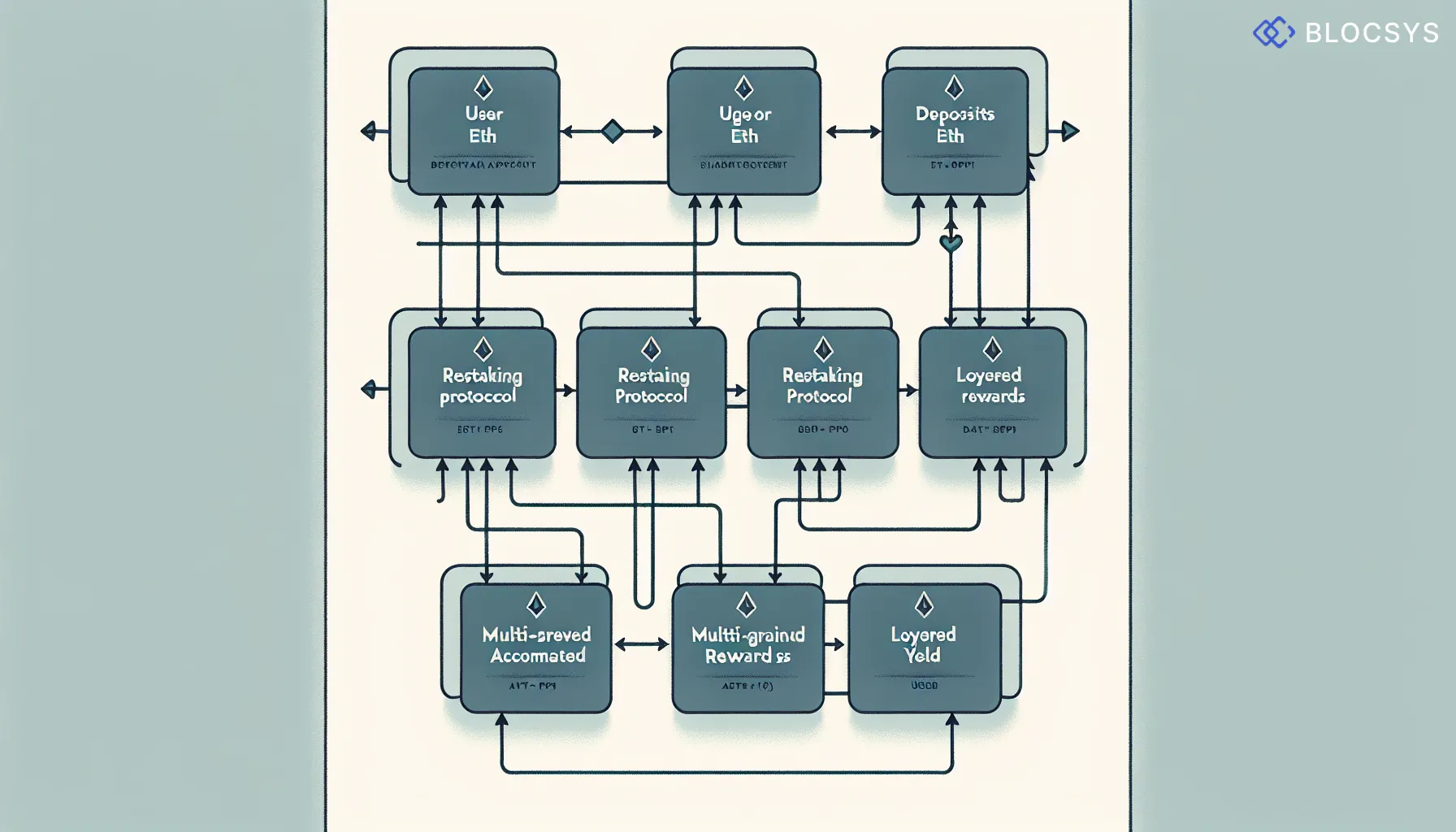
EigenLayer introduced restaking to the Ethereum ecosystem, enabling stakers to extend economic security to Actively Validated Services (AVSs). Furthermore, liquid restaking protocols build on this infrastructure, issuing tokens that represent AVS-restaked positions. These tokens include products like eETH from ether.fi and ezETH from Renzo Protocol.
How LRTs Differ from Traditional Staking
Traditional staking locks capital with a single validator for a defined period. In contrast, LRTs remain liquid, composable, and deployable across the broader DeFi ecosystem. Therefore, investors can simultaneously earn restaking yields while participating in lending, yield farming, or liquidity provision.
Additionally, LRTs aggregate rewards from multiple AVSs, creating a multi-layered yield structure. However, this complexity introduces additional risks that investors must evaluate carefully. Moreover, rewards from different AVSs vary considerably, making protocol selection a critical component of any strategy.
Liquid Restaking Tokens Yield Strategies to Maximize Returns
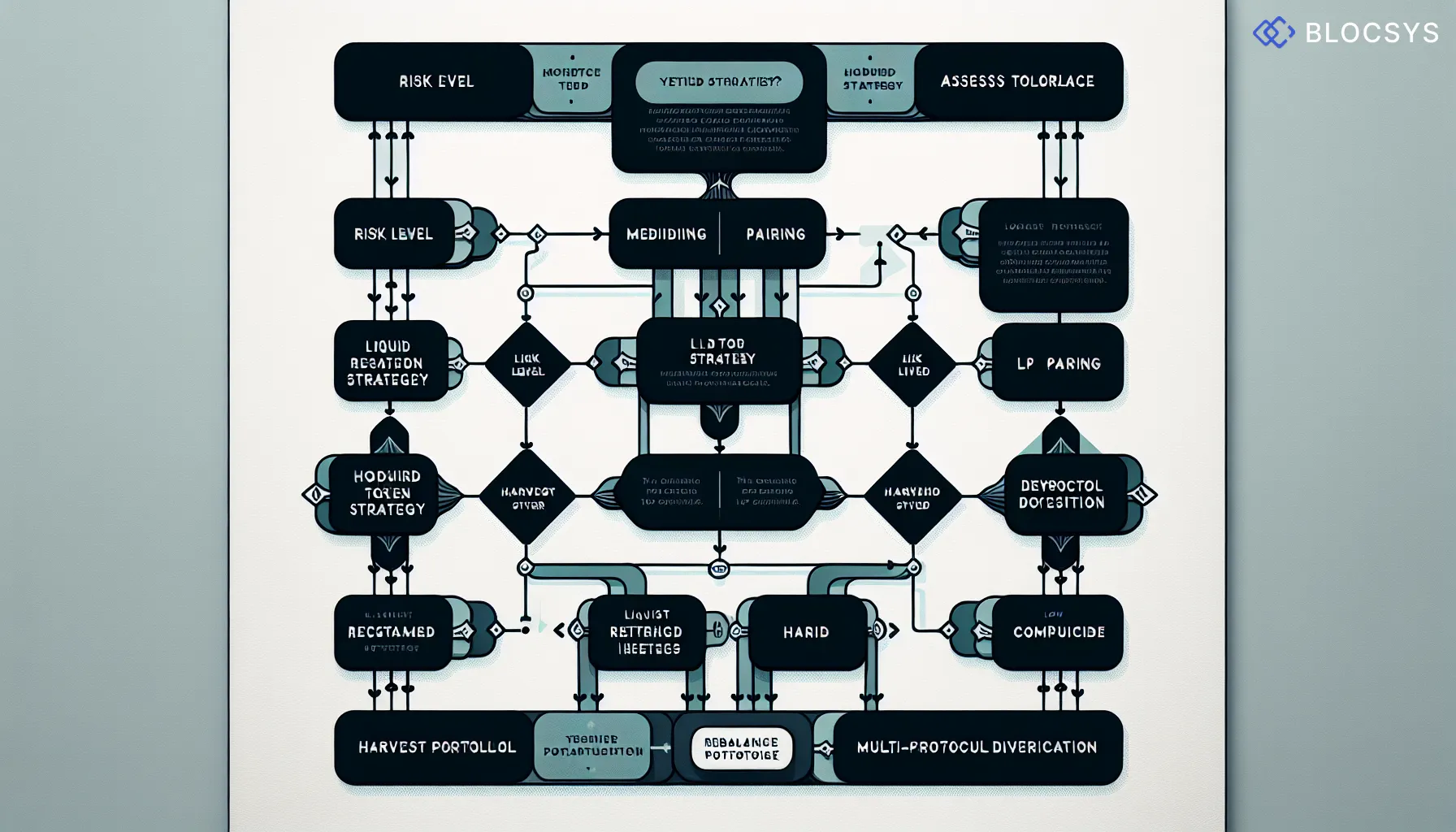
Executing effective liquid restaking tokens yield strategies requires selecting the right approach for your risk profile. Moreover, several distinct strategies have emerged as popular choices among experienced DeFi participants. Therefore, understanding each one helps you make more informed allocation decisions from the start.
Looping and Leveraged Yield Farming
Looping involves depositing LRTs as collateral on lending platforms like Aave, borrowing stablecoins against them, and redeploying that capital into additional LRTs. Furthermore, this recursive process amplifies your base yield substantially. However, it also increases liquidation risk during high-volatility periods, so disciplined loan-to-value management is essential.
Consequently, setting conservative LTV ratios well below the liquidation threshold protects your position during market swings. Additionally, monitoring collateral health in real time allows quick reactions to sudden price movements. Furthermore, automated monitoring tools that trigger alerts when positions approach risk thresholds add a critical safety layer.
Multi-Protocol Diversification
Diversifying LRT allocations across multiple protocols reduces your exposure to any single protocol failure. Therefore, experienced investors split capital between platforms such as ether.fi, Renzo Protocol, and Kelp DAO. Furthermore, each protocol accesses different AVS sets, providing diversified reward streams from multiple independent sources.
Additionally, pairing LRT holdings with liquidity pool positions on decentralized exchanges generates trading fee income on top of restaking rewards. Explore complementary approaches in our guide on DeFi yield optimization strategies. Moreover, regular rebalancing ensures allocations remain aligned with current yield differentials across protocols.
Risk Management in LRT Yield Strategies
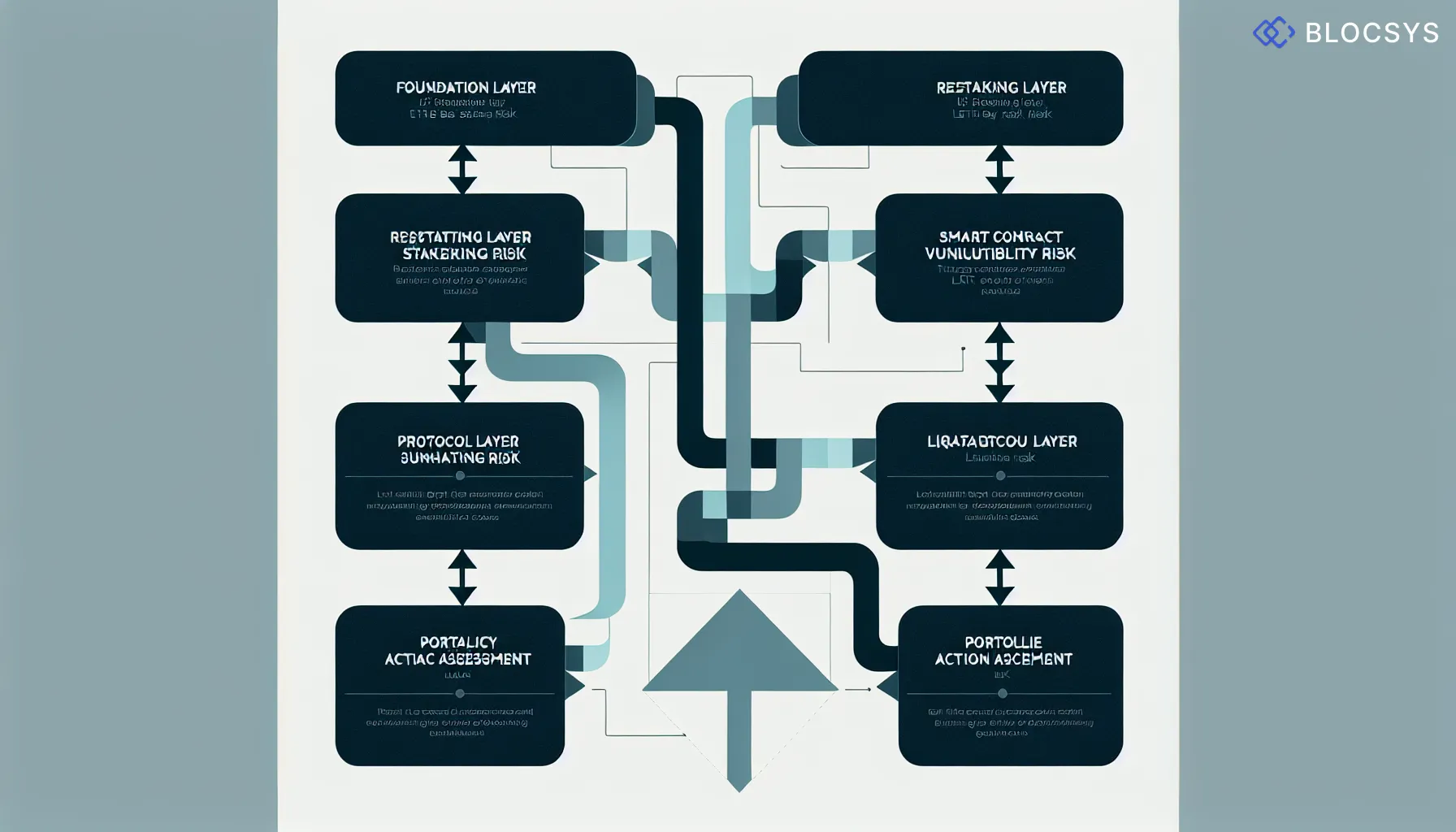
Strong risk management distinguishes consistently profitable LRT investors from those who suffer preventable losses. Therefore, every yield strategy must pair return-seeking behavior with a clearly defined risk framework. Additionally, the LRT ecosystem carries unique risk types that demand targeted mitigation approaches.
Smart Contract and Slashing Risks
LRT protocols operate through complex smart contract infrastructure, which introduces code vulnerability exposure. Furthermore, restaking to AVSs subjects your stake to slashing penalties if a validator behaves maliciously or makes critical errors. Consequently, selecting protocols with multiple independent security audits substantially reduces this exposure.
Additionally, check whether a protocol offers slashing insurance or socialized loss mechanisms before committing capital. However, even audited and insured protocols retain some residual risk. Therefore, never allocate beyond what your personal risk tolerance and financial situation can genuinely absorb.
Liquidity and Depeg Risks
LRTs can trade below their underlying asset value during market stress, a phenomenon called depegging. Moreover, thin on-chain liquidity amplifies depeg events and creates significant slippage during exit attempts. Therefore, always evaluate the depth of liquidity pools for your chosen LRT before entering any large position.
Additionally, leveraged strategies demand especially careful attention to predefined stop-loss thresholds and exit conditions. Consequently, establish these parameters before opening positions rather than reacting emotionally during volatile market conditions. Learn proven capital protection techniques in our article on DeFi portfolio risk management.
Getting Started with LRT Yield Optimization
Beginning your LRT journey starts with choosing a reputable protocol and thoroughly understanding its fee structures and AVS exposure. Therefore, review available audit reports, team credentials, and on-chain performance data before committing any capital. Moreover, starting with smaller allocations allows you to develop intuition for how rewards accrue without accepting excessive risk upfront.
Furthermore, use portfolio dashboards that aggregate data across multiple protocols to monitor your performance in real time. Consequently, you can identify underperforming allocations quickly and redirect capital toward better opportunities as market conditions evolve. Additionally, participating in governance forums and community channels keeps you informed about protocol changes that may affect your returns.
Liquid restaking tokens yield strategies offer some of the most compelling return opportunities available in DeFi today. However, their layered complexity demands a disciplined, well-informed approach to every decision. Therefore, combine continuous learning with rigorous risk management to unlock their full potential over the long term.
