
The financial industry is undergoing a remarkable transformation. Institutional defi platforms are rapidly reshaping how banks, hedge funds, and asset managers access decentralized finance. Furthermore, these platforms bridge the gap between traditional finance and blockchain-based protocols, offering compliance-ready infrastructure that meets regulatory demands. As adoption accelerates, understanding these platforms becomes essential for any institution looking to stay competitive.
Why Institutions Are Embracing Decentralized Finance
Traditional financial systems face growing limitations. Consequently, institutions seek faster settlement times, greater transparency, and improved capital efficiency. Decentralized finance offers all of these advantages. Moreover, on-chain liquidity pools allow institutions to earn yield without relying on intermediaries, reducing operational costs significantly.
However, entering DeFi without proper infrastructure poses serious risks. Institutions require permissioned environments, robust KYC processes, and regulatory clarity before committing capital. Therefore, a new breed of purpose-built platforms has emerged to serve their unique needs. These solutions combine the efficiency of blockchain with the compliance standards institutions require.
Core Features of Institutional DeFi Platforms
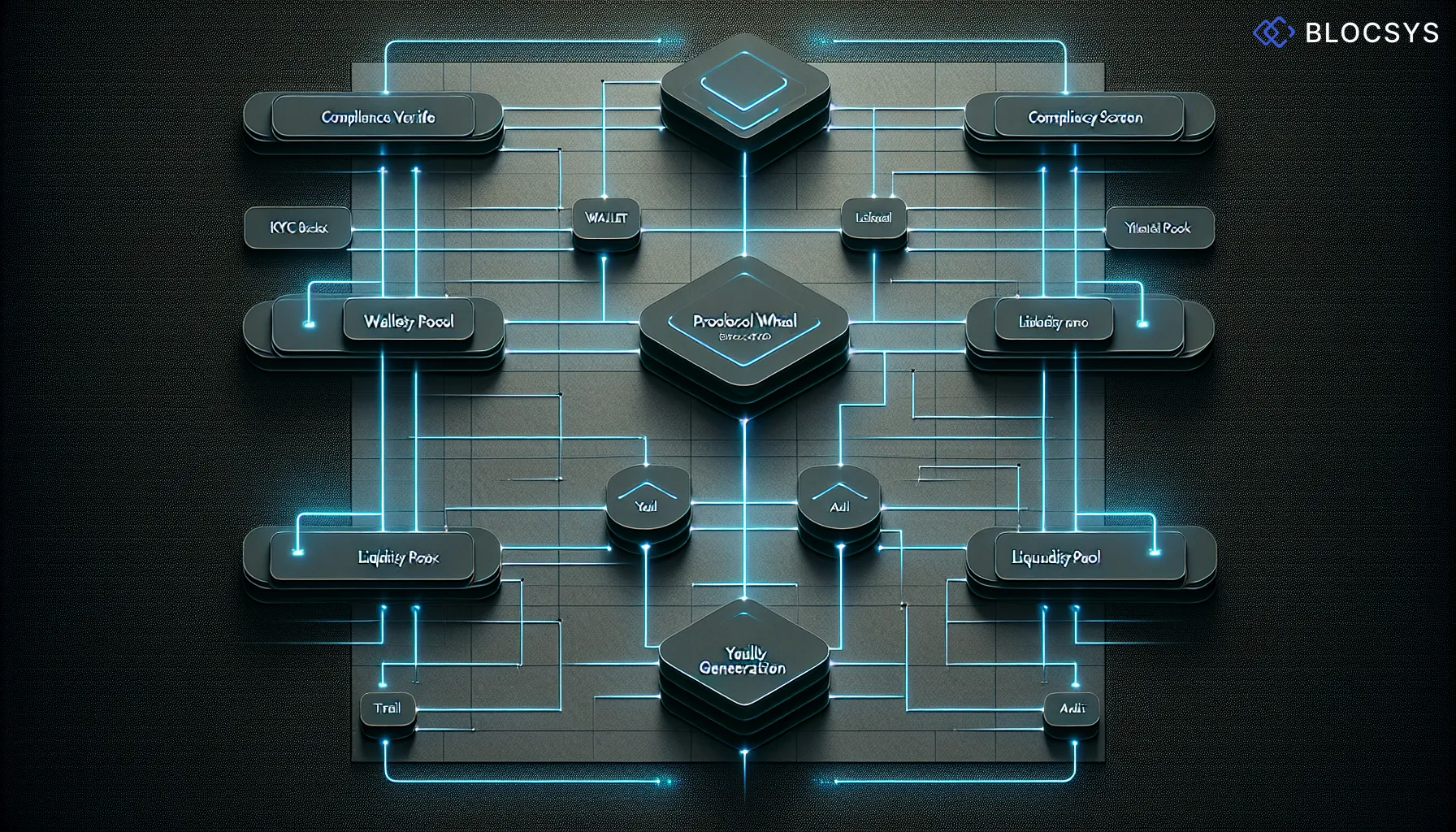
Institutional defi platforms differ significantly from retail-focused protocols. Additionally, they incorporate enterprise-grade features that prioritize security, compliance, and scalability. These platforms typically offer permissioned liquidity pools, identity verification layers, and direct integration with existing financial infrastructure.
Compliance and Regulatory Frameworks
Regulatory compliance sits at the heart of every institutional DeFi solution. Therefore, leading platforms integrate anti-money laundering (AML) checks and know-your-customer (KYC) verification directly into their smart contract architecture. Furthermore, they maintain relationships with licensed custodians, providing institutions with a legally sound operational framework.
Some platforms support jurisdictional controls as well. Consequently, institutions can restrict participation to verified counterparties within specific regulatory environments. This capability makes them especially attractive to banks operating under strict government oversight.
Security and Custodial Solutions
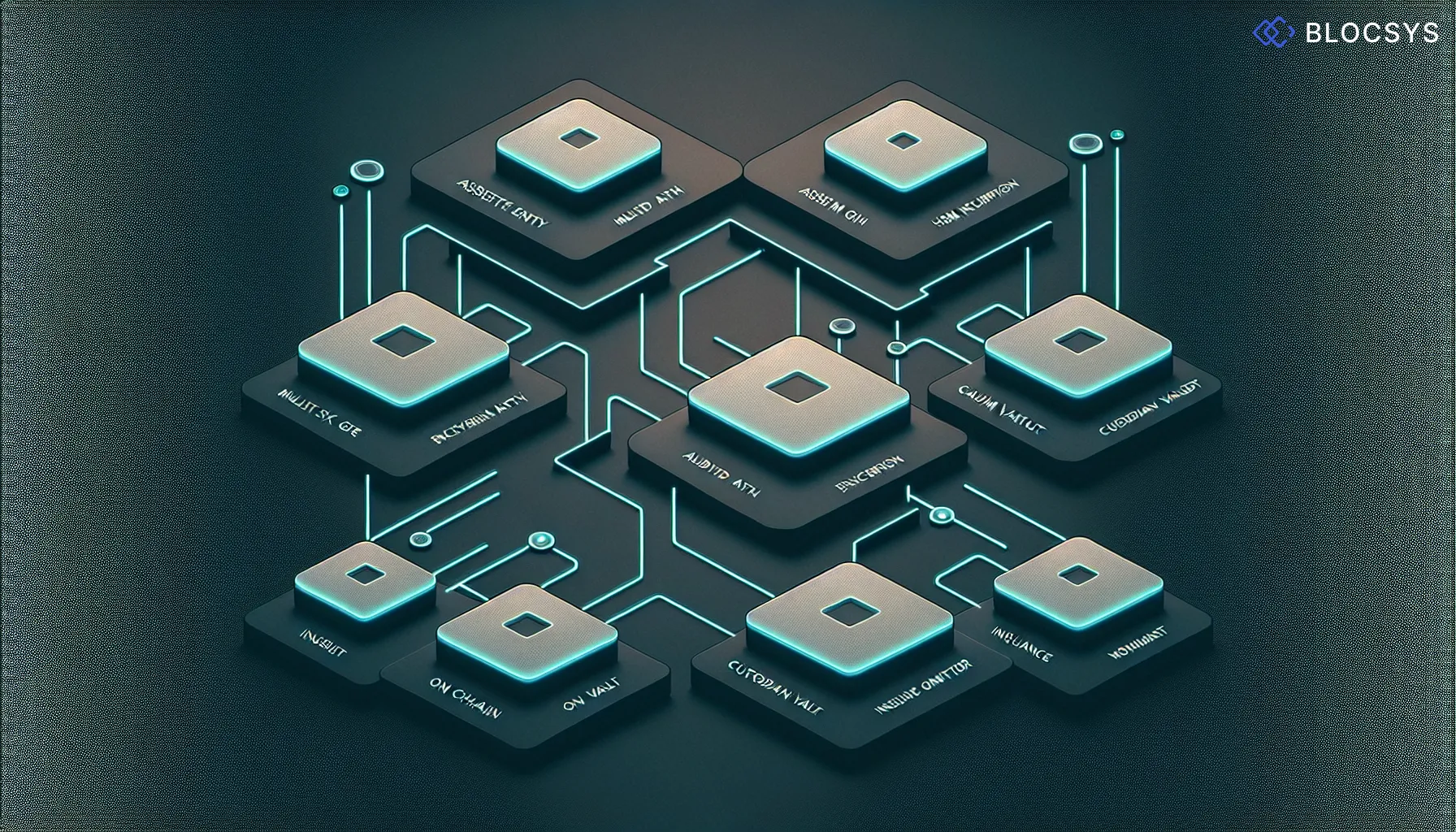
Security remains a top priority for institutional participants. Moreover, multi-signature wallets, hardware security modules (HSMs), and real-time monitoring tools form the backbone of these platforms. Additionally, many providers undergo independent third-party smart contract audits to minimize exploitability risks.
Custodial solutions also play a critical role in institutional adoption. Institutions often partner with regulated digital asset custodians such as Fireblocks to secure on-chain assets. Furthermore, optional insurance coverage products add another essential layer of financial protection for large capital deployments.
Leading Institutional DeFi Platforms in 2026
Several platforms have built strong reputations within the institutional space. However, each takes a different approach to solving the compliance and liquidity challenge.
Aave Arc and Permissioned Pools
Aave Arc pioneered the permissioned liquidity pool model for institutions. Additionally, it allows whitelisted participants to lend and borrow within a fully compliant environment. Therefore, users interact only with verified counterparties, eliminating exposure to anonymous retail participants. Furthermore, Aave’s established protocol infrastructure gives institutions strong confidence in the underlying technology.
Maple Finance and Clearpool
Maple Finance focuses specifically on undercollateralized institutional lending. Consequently, it enables creditworthy borrowers to access capital more efficiently than traditional DeFi protocols allow. Clearpool, moreover, offers a similar model with permissionless pools targeted at institutional borrowers. Both platforms bring sophisticated credit frameworks to the decentralized ecosystem. You can explore detailed analysis of on-chain credit markets through Messari’s institutional DeFi research.
Benefits Institutions Gain From DeFi Adoption
Adopting institutional DeFi platforms delivers measurable competitive advantages. Moreover, institutions gain access to 24/7 liquidity markets, programmable financial products, and transparent on-chain settlement. Additionally, smart contracts automate complex processes that traditionally require manual intervention, therefore reducing both overhead costs and human error.
Portfolio diversification also improves considerably. Furthermore, institutions can deploy capital across tokenized real-world assets, stablecoins, and yield-generating protocols simultaneously. Explore our guide on tokenized assets for institutional investing to discover related opportunities in this fast-moving space.
Challenges Institutions Still Face
Despite rapid progress, significant challenges remain. However, regulatory uncertainty across jurisdictions continues to slow broader adoption among conservative institutions. Additionally, smart contract vulnerabilities pose systemic risks that institutions cannot easily absorb. Therefore, due diligence processes must continuously evolve alongside the technology itself.
Protocol interoperability also presents ongoing difficulties. Consequently, institutions operating across multiple blockchains must manage fragmented liquidity and inconsistent governance models. However, cross-chain bridging solutions are actively maturing, promising far greater connectivity in the near future.
The Future of Institutional DeFi Platforms
The outlook for institutional defi platforms remains exceptionally promising. Moreover, as regulatory frameworks mature globally, institutions will gain greater confidence to deploy significant capital on-chain. Additionally, integration with traditional financial infrastructure — including SWIFT messaging systems and central bank digital currencies — will further accelerate mainstream institutional adoption.
Therefore, institutions that engage with DeFi today will hold a meaningful competitive advantage tomorrow. Furthermore, the convergence of traditional finance and decentralized infrastructure represents a fundamental shift in how global capital markets operate. For real-time data and protocol intelligence, CoinDesk’s institutional DeFi coverage remains an authoritative ongoing resource. Consequently, the strategic time to engage with these platforms is now.
